Seven key points for fertilizing orchids: apply light fertilizer frequently, prefer dilute over concentrated
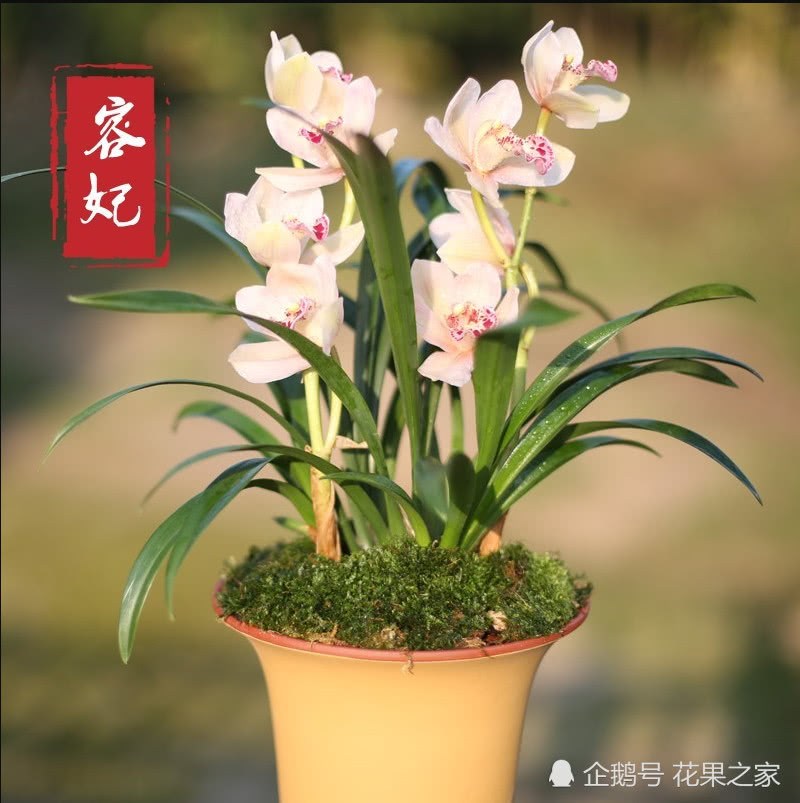
You can often see orchid fertilizing articles saying, "apply light fertilizer frequently, prefer dilute over concentrated," but many orchid growers still do not understand what it means. The seven key points explained below cover the 7 things to pay attention to when fertilizing orchids.
The first key point of orchid fertilizing:Fertilizing depends on the growing medium. If the medium is burnt soil, ceramsite, Zhijinshi (orchid stone), red brick gravel or similar materials, then in later management you should consider fertilizing as appropriate. If the medium is orchid mud made from mountain humus soil, the editor personally believes that within 1~2 years no fertilizing is needed, because this soil already contains the nutrients that orchids need for growth.
The second key point of orchid fertilizing:Fertilizing depends on the season. Generally, in winter, summer and early spring, orchids are in a dormant period, and the orchid roots will not normally absorb and convert nutrients, causing the fertilizer to remain near the orchid roots and burn them, so during these seasons growers should not fertilize.
The third key point of orchid fertilizing:Fertilizing depends on the growth condition of the orchid. Do not fertilize if the orchid plant is not robust; the principle is not to fertilize diseased, weak or small plants.
The fourth key point of orchid fertilizing:You must master the timing of fertilizing. I generally fertilize once or twice around Qingming (Tomb-Sweeping Day), with an interval of about half a month between applications. In the second half of the year, between Bailu (White Dew) and Qiufen (Autumnal Equinox), apply fertilizer once more, and that is enough. The editor believes that fertilizing this way is already sufficient to supply nutrients to orchids.
The fifth key point of orchid fertilizing:Fertilizing depends on the actual condition of the orchid. If it is a wild-collected plant, I never consider fertilizing; only after 1~2 years of growing it plainly, and once it has been divided into pots, do I determine fertilizing based on the actual condition of the orchid plant.
The sixth key point of orchid fertilizing:Fertilizing should be based on the nature of the plant. Generally speaking, variegated orchids should not be fertilized. Even if fertilizing is necessary, you may spray a small amount of monopotassium phosphate, and try not to apply nitrogen fertilizer, so as to avoid an increase in chlorophyll that would affect the brightness of the leaf variegation.
The seventh key point of orchid fertilizing:Apply light fertilizer. "Apply light fertilizer frequently, prefer dilute over concentrated." Fertilizing must be light and must be dilute; applying concentrated fertilizer easily causes fertilizer burn.