How to grow amaranth? A detailed guide to amaranth planting and management techniques
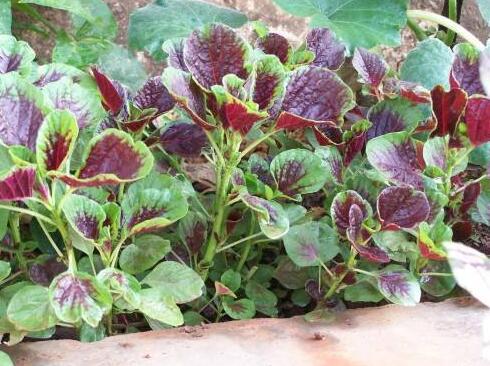
1. Land preparation and fertilization: choose a plot with flat terrain, convenient drainage and irrigation, and few weeds; plow deeply and sun-dry the soil (and spray a disinfectant plus New High-Fat Film at 800 times dilution to disinfect the soil); apply sufficient base fertilizer together with the deep plowing; make flat beds, ensuring the surface is level and the soil is fine, so as to promote seedling emergence.
2. Sowing and raising seedlings: sow at the right time; the seeds can be broadcast directly on the seedbed (before sowing, mix the seeds with New High-Fat Film); then scatter a layer of plant ash, water and top-dress in good time according to the weather and soil conditions, and spray New High-Fat Film at 800 times dilution on the soil surface to keep warm and preserve moisture, prevent soil caking, and increase the seed germination rate.
3. Field management: after seedlings emerge, weed promptly, strengthen water and fertilizer management, and keep the soil moist; for top-dressing, spray a thin liquid fertilizer mainly based on nitrogen fertilizer, and in combination spray New High-Fat Film at 800 times dilution to improve fertilizer efficiency; during the growth stage, spray Zhuangjingling at the right time so that the plant stems become thick and strong and the leaves become large and plump, improve the disease resistance of amaranth, reduce the use of pesticides and chemical fertilizers, lower residual toxicity, and enhance the natural taste of spinach.
4. Pest and disease control: amaranth has strong disease resistance; the main disease is white rust, which can be controlled with mancozeb, and spraying New High-Fat Film at 800 times dilution improves the utilization rate of the effective ingredients of the pesticide; the main pest is aphids, which can be controlled by spraying imidacloprid plus New High-Fat Film at 800 times dilution.