How to plant Viola mandshurica? Mastering these planting methods is all you need
Viola mandshurica is a perennial herbaceous plant with a height between 4 cm and 20 cm. Viola mandshurica is also known as purple violet, earless grass, violet grass, ploughshare grass, and dingdu grass. Viola mandshurica has the effects of clearing heat and detoxifying, cooling blood and reducing swelling, and clearing heat and draining dampness. In addition, Viola mandshurica is also an effective remedy for jaundice, mastitis, red and swollen eyes, and venomous snake bites. So how should Viola mandshurica be planted?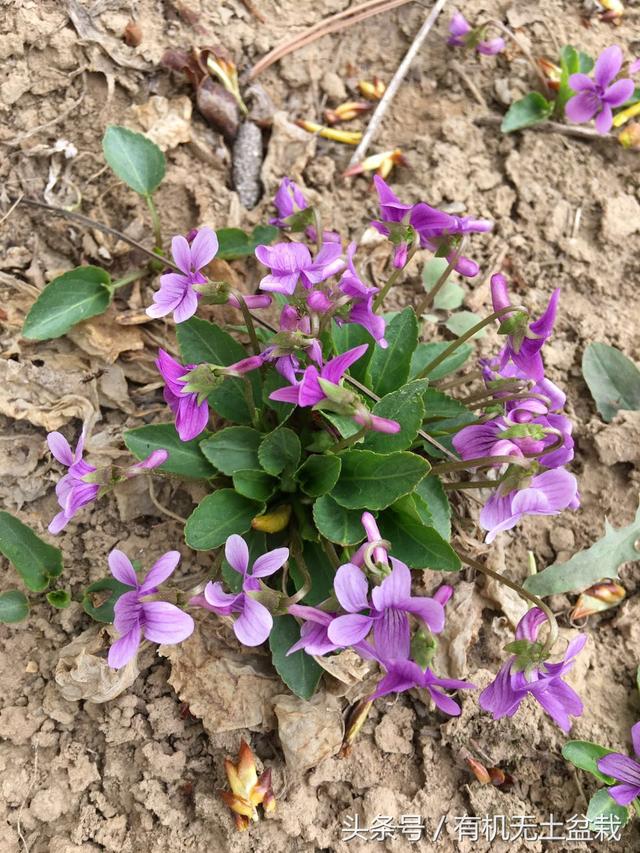
The first thing to do is collect the seeds of Viola mandshurica. Because the seeds of Viola mandshurica are relatively small, and once the fruit ripens the seeds pop out automatically, you must harvest the seeds after they mature and the seed pods turn yellow but before they split open, and then dry them.
Then comes sowing. For sowing time, in spring you can choose between late March and early April, or sow in early to mid-August in autumn. A 72-cell seedling tray can be used for sowing. First fill the seedling tray with seedling substrate, then press out depressions 0.3-0.5 cm deep. Next, sow the selected seeds into the seedling tray, 3-5 seeds per cell. After sowing, cover with a layer of vermiculite, then place the seedling tray on the seedbed, water thoroughly, and keep the temperature between 18-25 degrees. After about ten days, Viola mandshurica can sprout.
Because the seedling stage of Viola mandshurica is relatively long, around 40 days, the nutrients in the seedling tray are easily used up during this period. So after the seedlings emerge, at around 255 days, you can appropriately supplement a little foliar fertilizer. When the plant height reaches about 4 cm at around 40 days, it can be transplanted.