Potted gardenias and jasmine not blooming? Add a little of this to the soil, and they will bloom abundantly every year
Growing a pot of gardenia or jasmine at home this season fills the air with fragrance and keeps you in a good mood all day. But many flower lovers find that the plant looked full of vigor when they bought it, yet within a few days of bringing it home it starts dropping buds or even dies, or it bloomed only in the year they bought it and then never bloomed again, becoming a purely foliage plant. Today, our topic is how to make gardenias and jasmine bloom every year.
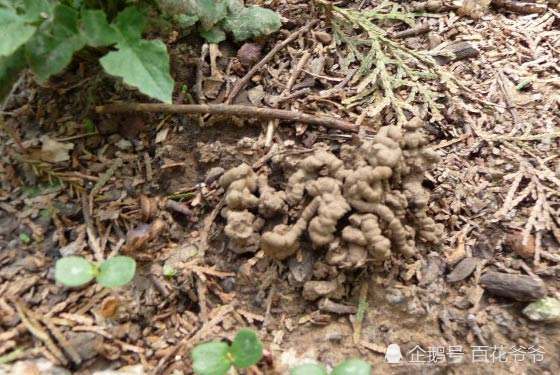
Gardenias and jasmine are flowers that prefer acidic soil, lots of fertilizer and plenty of sunlight. If you want them to bloom profusely, you need to keep up with the fertilizer. I recommend a fairly low-effort and eco-friendly flower fertilizer: earthworm castings. After rain, you can go to the lawn in a park or residential compound and collect some earthworm castings to use for growing gardenias and jasmine. Earthworm castings are rich in organic matter and beneficial bacteria, full of nutrients, and can also prevent the potting soil from compacting.
How to use:
1. Spread it directly and evenly on the surface of the potting soil, a thin layer. Each time you water, the nutrients in the earthworm castings slowly seep into the soil, bringing nutrients to the plant. The fertilizer is mild and long-lasting, so you don't need to worry about burning the roots.
2. When repotting the flowers, add the earthworm castings to the planting soil, mix evenly, and then use it for planting. This can effectively prevent the potting soil from compacting.
If you find earthworm castings hard to come by right now, you can also collect some orange peels, put them in a bottle, add rice-washing water or clean water, and ferment for 15 days. Then dilute with clean water at a ratio of 1:10 and use it to water gardenias and jasmine. This can make the soil richer and help gardenias and jasmine form buds and bloom.
Method for fermenting orange peels: Chop the orange peels into small pieces, add clean water, and leave them in the sun for 15 days. If you want to speed up fermentation, you can add a little brown sugar, and it will ferment faster. Compared with fermenting other materials, orange peel fermentation has no off-odor, so you don't need to worry about making your home smell bad.
When growing gardenias and jasmine, as long as you ensure sufficient sunlight, keep the potting soil moist, provide good ventilation and keep up with nutrients, they can bloom abundantly every year.