Growing choi sum on a balcony is not difficult; the key is mastering the growing method
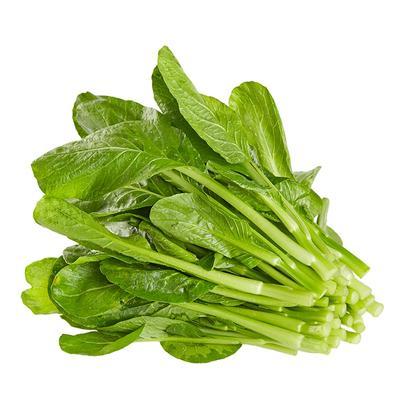
Choi sum, also known as flowering Chinese cabbage, belongs to the genus Brassica in the cruciferous family and is an annual or biennial herbaceous plant. It is suitable for sowing in the warm regions of southern China and is one of the specialty vegetables of southern China.
Choi sum is tender in quality, sweet-bitter in taste, and rich in nutrients. Per kilogram of edible portion, it contains 13-16 g protein, 1-3 g fat, 22-42 g carbohydrates, and also contains 410-1350 mg calcium, 270 mg phosphorus, and 13 mg iron. 1-13.6 mg carotene, 0.3-1 mg riboflavin, 3-8 mg nicotinic acid, and 790 mg vitamin C.
Key points of balcony cultivation techniques for choi sum
1. Variety selection
Varieties are divided into three types: early-maturing, mid-maturing, and late-maturing. Early-maturing varieties such as Sijiu choi sum can be harvested in 35 days, while mid- and early-maturing varieties are harvested in 60 days. In winter and spring, late-maturing varieties are preferable.
2. Cultivation environment
Choi sum likes a mild climate, and grows well in balcony spots with good light at a suitable temperature of 15°C-25°C. It can be grown in balcony flower stands or balcony growing pots.
3. Cultivation season
The growth cycle is short, allowing multiple plantings and harvests. In southern China, it can be sown year-round, mainly cultivated in spring, summer, and autumn.
4. Sowing management
(1) Treatment of the growing substrate before sowing
1-2 days before planting, keep the substrate in the pot in its original state without turning it, and use clean water to moisten the substrate until it reaches the bottom, so that the substrate is moist. Substrate treatment can also be done at the same time as sowing, but be sure to avoid substrate that is too wet, which causes seed rot, or too dry, which causes uneven germination and emergence.
(2) Sowing
On the substrate that has been watered thoroughly, evenly scatter the seeds directly or sow them into holes made in the substrate. After sowing, the seeds need to be covered with about 1 cm of substrate soil, then watered thoroughly.
5. Management
(1) Water management: plants have different water requirements in different climate zones and seasons. It is best to keep the soil moist, and avoid both excessive dryness and excessive wetness. When most plants have buds and begin bolting, supply sufficient fertilizer and water. Avoid watering at noon during hot seasons, and control the amount of watering in the week before harvest.
(2) Timely thinning: when the cotyledons unfold, carry out the first thinning in time. As the seedlings grow, thin and set the plants according to the plant and row spacing. For early-maturing varieties, the plant and row spacing is 12-13 cm, and for mid- and late-maturing varieties, the plant and row spacing is 15-16 cm.
(3) Fertilization management: the substrate itself contains certain nutrients, so you can use fermented organic fertilizer liquid made from materials commonly used in daily life, such as rice washing water, fruit peels, and kitchen scraps, for irrigation.
(4) Pest and disease control. In principle, do not use pesticides. When yellow leaves, diseased leaves, or curled leaves are found, remove them in time. When aphids are found, you can use diluted juice made from mashed garlic, onion, and the like and spray it.
6. Harvest
Harvest begins when choi sum reaches "qikou hua" (when the flowering stalk reaches the same height as the plant). After harvesting the main stalk, continue harvesting the side stalks. For harvesting side stalks, cut the main stalk at 2-3 leaves from the base.