A Detailed Guide to Tomato Cultivation Methods and Precautions
The tomato, also known as the tomato, is a berry that is oblate or nearly spherical, fleshy and juicy, with yellow seeds and a flowering and fruiting period in summer and autumn. The tomato originated in South America and is widely cultivated in both northern and southern China.
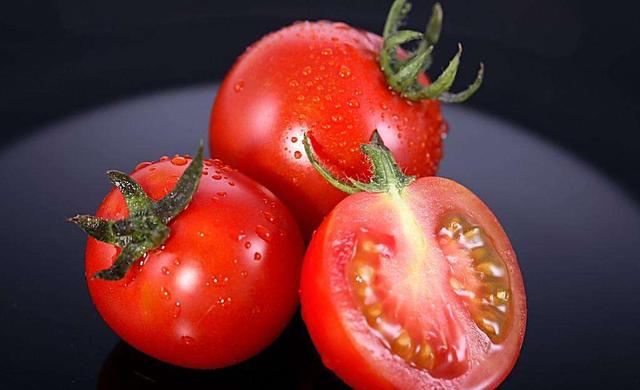
Tomatoes Are Highly Nutritious
The tomato fruit is rich in nutrients. The lycopene contained in tomatoes has an antibacterial effect; the malic acid, citric acid and sugars they contain aid digestion. Tomatoes are rich in nutrients and have many functions, which is why they are called the magical fruit among vegetables. The organic acids in tomatoes, such as malic acid and citric acid, also increase the acidity of gastric juice, help digestion and regulate gastrointestinal function. The fruit acids contained in tomatoes can lower cholesterol levels and are very beneficial for hyperlipidemia. Tomatoes are rich in vitamin A, vitamin C, vitamin B1, vitamin B2, as well as carotene and various elements such as calcium, phosphorus, potassium, magnesium, iron, zinc, copper and iodine. They also contain protein, sugars, organic acids and cellulose. Tomatoes have a distinctive flavor and can be eaten raw, cooked, processed into tomato sauce or juice, or canned whole.
Tomato Growth Habits
The tomato is a warm-loving vegetable. Under normal conditions, the optimum temperature for assimilation is 20-25°C, and the optimum soil temperature for root growth is 20-22°C. It loves light, with a light saturation point of 70000lx and a suitable light intensity of 30000-50000lx. It is also a short-day plant. Tomatoes love water, and generally a soil humidity of 60-80% and an air humidity of 45-50% are suitable. They are not very demanding about soil conditions and grow well in deep, well-drained, fertile loam rich in organic matter. The suitable soil pH is 6-7. Tomatoes are drought-tolerant but not waterlogging-tolerant, and they are not very strict about soil requirements. To obtain high yields, soil that is deep, loose and fertile with strong water and fertilizer retention should be chosen.
Tomato Fertilization Techniques
During the tomato growing period, appropriate topdressing should be applied. Do not apply nitrogen fertilizer alone; it must be combined with phosphorus and potassium fertilizers. Generally, after transplanting and seedling recovery, a seedling-promoting fertilizer is applied to promote stem and leaf growth. After the first truss of fruit begins to swell, a second topdressing is applied to promote fruit swelling. For mid- and late-maturing varieties, 3-4 additional topdressings are needed after harvesting the first and second trusses of fruit. During fruit growth, foliar topdressing with a 1.5% calcium superphosphate or 0.3% potassium dihydrogen phosphate solution is beneficial for fruit ripening and increases yield. After transplanting and seedling recovery, cultivation and soil moisture conservation are needed. During the flowering period of the first inflorescence, irrigation should be controlled to prevent excessive stem and leaf growth from causing flower and fruit drop. After the first truss of fruit sets, the plant needs more water and should be irrigated in time. Pay attention to drainage during the rainy season.
Tomato Color Change
If tomatoes fail to change color, the possible causes may be: high temperature and strong light, which affect the color change of tomato fruit. During this period, temperature and light conditions are the main factors restricting tomato color change. Increase ventilation, add a shade net outside the greenhouse, and cover it in time according to temperature and weather changes to avoid strong light and high temperature. Or it may be insufficient nutrient supply. If later management cannot keep up and the soil is too dry, the nutrient supply will be insufficient, thereby affecting tomato color change.
Reasonable fertilizer and water supply, along with strengthened care of the middle and upper leaves, can ensure normal nutrient supply, guarantee the formation of tomato lycopene and ensure normal color change.
Tomato Fruit-Enhancing Techniques
Remove the first flower of each truss. The first flower of each truss generally opens about 2 days earlier than the flowers behind it. If this flower is treated when flower setting is done, nutrients are likely to be concentrated in this flower and fruit, causing the flowers behind it to lack sufficient nutrients, resulting in inconsistent fruit sizes and reducing the rate of premium-grade tomatoes. The flowers behind it basically open at the same time, so removing the first flower can reduce nutrient consumption and accumulate sufficient nutrients to supply the later flowers and fruits. In this way, the later fruits can be uniform in size, which is conducive to producing premium-grade fruit.
Treat more flowers, keep fewer fruits, and keep good fruits. Generally, each truss can produce 7-8 flowers. When treating flowers, as many flowers as possible should be treated according to the plant's growth vigor, in preparation for fruit thinning and retention. After the young fruits have set, select and retain 4-5 fruits that are uniform in size, similar in shape and free of pests and diseases as needed, then remove the remaining fruits.
At the same time, potassium fertilizer should be applied as topdressing to promote tomato coloring. If potassium fertilizer is insufficient, it is easy to cause poor tomato coloring and occurrence of rib rot, affecting the fruit's marketability. When the fruit has set and reached the size of an egg, an appropriate amount of high-potassium compound fertilizer should be applied with irrigation to promote fruit coloring and increase fruit weight.