Removing formaldehyde with plants is far from simple. Do you know these things?
Now, due to the presence of home decoration pollution, many of us grow some green plants at home, hoping to achieve the goal of removing formaldehyde and other pollutants from our homes. Among them, plants such as pothos, ivy, spider plant, and Monstera deliciosa have become our first choices, because these plants have strong survival ability and good adsorption capacity. But the formaldehyde removal company Lansikaiqi also learned that some plants are not suitable for indoor placement. Why?
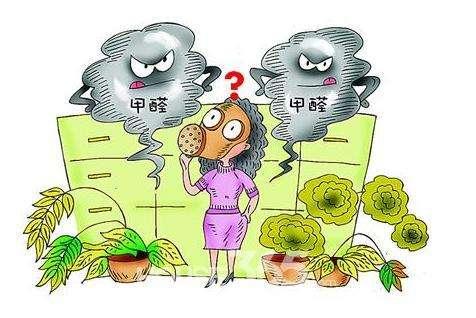
Although some plants have good ornamental value and purification ability, they are not suitable for indoor placement. One type is flowering plants with odors, and the other is toxic plants. If there are children or pets at home, extra attention is needed. Specifically, which ones are they?
1. Alocasia. Alocasia, also called taro, is a foliage plant with a good air-purifying effect. Most people choose to plant it outdoors. Alocasia is toxic. Accidental ingestion can cause tongue swelling and numbness, and even symptoms of central nervous system poisoning. Skin contact can cause itching, numbness, and rash, and in severe cases, may be life-threatening. It must not be ingested or get into the eyes. If accidentally ingested, mild cases can be treated by drinking rice vinegar or ginger. Recently, a netizen's dog, because it accidentally ingested the water on an Alocasia, had its mouth swell up like a steamed bun. It was both heartbreaking and funny, so if you have pets or a young child who does not know better at home, it is best not to keep this kind of plant.
2. When it comes to toxic plants, oleander must be mentioned. Oleander has the effect of adsorbing smoke and dust, resisting toxic substances, purifying air, and protecting the environment, but oleander is extremely toxic, so do not plant it in your home courtyard just because its flowers are beautiful.
3. Sago palm. Sago palm cannot be planted indoors. It has ornamental value, and the legendary "iron tree blooming" refers to the sago palm. But the seeds of the sago palm are toxic, and the sago palm has a certain carcinogenic effect. At present, there is only an obvious effect on experimental mice, and no such symptoms have appeared in humans, but we still need to pay special attention and not plant it indoors.
4. Garden balsam. Garden balsam can also cause cancer. Research shows that garden balsam contains cancer-promoting substances, but this substance does not volatilize directly. It seeps into the soil, and long-term consumption of vegetables grown in that soil can cause cancer. So if you have a vegetable garden at home, do not plant garden balsam nearby. It can be transplanted into flower pots.
5. Hydrangea is also toxic. So after playing with the flowers, be sure to wash your hands thoroughly. Hydrangea is also called eight immortal flower. Poisoning can cause abdominal pain. Other typical poisoning symptoms include skin pain, vomiting, weakness, fatigue, and sweating. There are also reports that patients may even experience coma, convulsions, and collapse of blood circulation in the body.
6. Night-blooming jasmine has a fragrant scent. Many people think the scent of night-blooming jasmine can repel mosquitoes, so they place it indoors at night. However, the fragrance of night-blooming jasmine can make patients with high blood pressure and heart disease feel dizzy, depressed, and uncomfortable. Therefore, patients with such conditions should avoid contact with it.
7. Nandina. It has very good ornamental value and also a very good air-purifying effect. It is generally placed outdoors for viewing. The whole Nandina plant is toxic. Poisoning symptoms are excitement, pulse first fast then slow and irregular, decreased blood pressure, muscle spasms, respiratory paralysis, coma, and so on.
So everyone must pay attention when choosing plants to avoid poisoning. The most effective way to remove decoration pollution in the home is to find a professional formaldehyde removal company to carry out formaldehyde treatment.