Key Points of Bitter Melon Cultivation Techniques and Field Management Methods
Bitter melon, also known as bitter gourd, is rich in protein, vitamin C and vitamin B, and has the effect of lowering blood sugar. Bitter melon cultivation is not as delicate as some crops, but it still needs good care during the growing process.
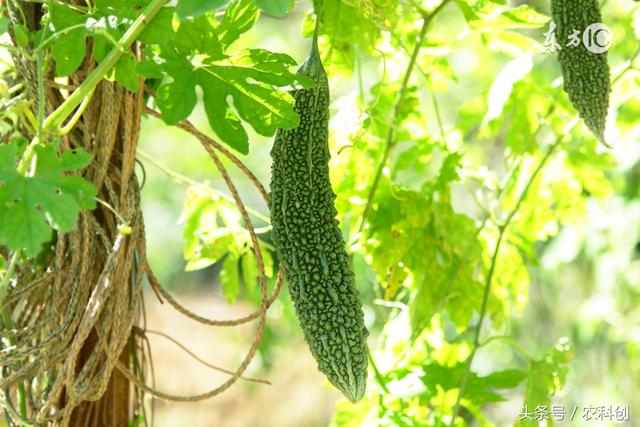 Cultivation Techniques" inline="0">
For more content and information, follow our WeChat official account
When raising bitter melon seedlings, the seeds need to be soaked. Soak them in water at 50-55°C for about 15 minutes, then in warm water at 30°C for about 10 minutes, changing the water 1-2 times in between. Remove and wash them, then germinate them; once the seeds show white sprouts, they can be sown. During sowing, the spot-seeding method is generally used (our seedling transplanter can also be used for sowing, and it is faster than traditional methods), generally placing two seeds per hole. After sowing, wait for germination, which generally takes 2-3 weeks. When the plants grow to 3-4 leaves, the seedling transplanter can be used for transplanting, and an appropriate amount of decomposed organic fertilizer should be applied to the soil during transplanting.
Cultivation Techniques" inline="0">
nyzyk88
Bitter melon is a plant with a very high fertilizer requirement and needs fertilizing once every 1-2 weeks; during the fruiting period, the fertilization rate should also be increased. Bitter melon is a vine plant, so supports need to be set up during cultivation, and a branch tying machine should be used to guide it onto the supports; the vines must not be allowed to tangle with each other. Bitter melon has a very strong branching ability, so during growth we need to prune some unnecessary branches, and diseased branches, dead branches and the like should be pruned promptly.
For more content and information, follow nyzyk88
Bitter melon is a sun-loving plant, so during cultivation we should ensure it gets sufficient sunlight. When the melons grow to a certain size, they should be picked promptly; those kept for seed can be picked after the melon's color turns orange-yellow.