Planting Methods and Care Tips for Sea Lavender
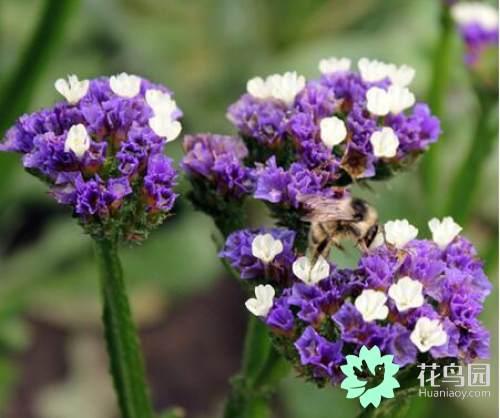
Sea lavender is a perennial herbaceous plant in the Plumbaginaceae family, with about 20 or more species. Its flowers come in purple, blue, pale pink, white and other colors, and are very elegant and delicate. It is mainly propagated by sowing in everyday practice, and is an excellent cut-flower filler material. Sowing some at home for ornamental purposes is also excellent.
Soil and Fertilizer Selection for Sea Lavender
Sea lavender needs loose soil. You can choose sterilized leaf mold, or mix peat and perlite evenly in a 1:1 ratio. Sea lavender has a relatively high demand for boron, so adding borax to the base fertilizer can effectively regulate soil fertility while also adjusting the soil pH. For topdressing, you can choose diluted soybean cake water and quick-acting nitrogen, phosphorus and potassium applied indirectly.
Temperature Control for Sea Lavender
After sowing, sea lavender needs low-temperature vernalization to help it flower. When sown in autumn at 18-21°C, it usually sprouts in about 5 days. After sprouting, the seedlings can be placed under low-temperature treatment below 16°C, and after 3 days they can be placed at normal temperature for care.
When the first true leaf appears, the seedlings can be separated. When the leaves reach 5-6, they can be planted out. Planting out is generally done in October-November, and the flowering period is June-August. The suitable temperature is 18-20°C during the day and 10-15°C at night, and the minimum should not be lower than 0°C.
Light Control for Sea Lavender
Sea lavender needs a ventilated and well-lit environment, which can effectively reduce the occurrence of diseases. For the cultivation method, you can choose double-row cross planting, or three-row planting; plum-blossom-style planting is also very common in field cultivation. Sea lavender likes light, so attention should be paid to light during the planting process. Of course, exposure to strong sun is also not acceptable, and shading treatment is needed at midday in summer.
Later-Stage Care for Sea Lavender
During the vigorous period of inflorescence emergence and growth of sea lavender, the supply of water and fertilizer must be sufficient, otherwise it is easy to cause short and small flower branches and non-lush flowers. During the growth and emergence of sea lavender, netting or supporting stakes are needed to prevent lodging. After harvesting the first flush of flowers, promptly remove old branches and dead leaves to help promote the sprouting of new buds and avoid consuming more nutrients. It should be noted that sea lavender is a taproot plant, so it must be transplanted with soil during the seedling stage to prevent root damage and improve the survival rate.