Orchids not growing shoots or leaves? Here's one trick: use a little of this, and you'll get more shoots, green leaves, and vigorous growth.
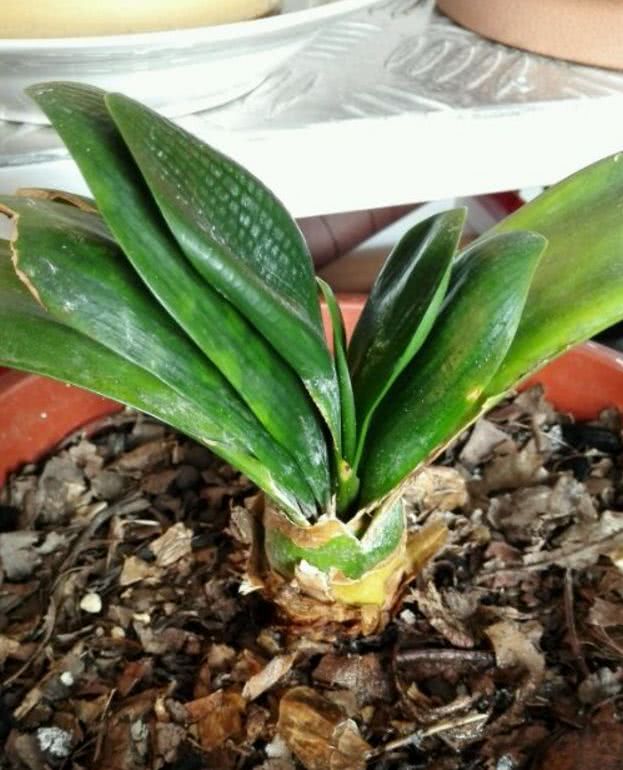
Some growers' flowers just linger, neither dying nor thriving, not growing new shoots, their growth completely stalled! If your flowers are like this too, then here's what you can do, let's take a look!
“
Orchid stalled growth
- Causes of stalled growth -
Stalled growth means the plant is half-dead, not growing leaves or new shoots, and after months of care it's still the same size. There are many causes of stalled growth: some are root problems, some are unsuitable potting soil, and some are problems with the plant's growth buds, so each case must be treated differently.
- Orchid stalled growth -
Some growers' orchids don't grow new leaves or sprout shoots, and sometimes when they do sprout, growth stops halfway, or the new leaves don't unfurl after emerging and grow very slowly. These are all signs of stalled growth in orchids.
When this happens, there are a few things to pay attention to.
- Pay attention to potting and watering -
Orchids you bring home usually need their roots trimmed first. After cutting off the dead and rotten roots, most people soak them in a potassium permanganate or carbendazim solution for disinfection. At this point, the orchid has already absorbed its fill of water, so when planting you don't need to water it thoroughly again, to prevent root rot from excess water. You can use a spray bottle to mist some water on the orchid leaves to increase humidity, and at the same time the water will run down the leaves into the potting soil, giving it some moisture. This state is more favorable for orchid growth. Wait until the potting soil dries out again, then water thoroughly. Not only is it less likely to get infected or develop root rot, but the survival rate will also be very high and the roots will grow better.
- Orchid potting soil -
You don't need to loosen the soil for orchids often, especially for orchids that have just been potted. Some growers worry that the potting soil isn't breathable and loosen the soil frequently, but this causes a problem: it damages the orchid's roots, repeatedly injuring them and leading to poor growth. If you're worried about soil breathability, then when choosing potting soil you should use loose, breathable growing media, such as leaf mold, bark, and some granules with good aeration and drainage. That way you don't need to worry about soil compaction causing stalled growth, nor about frequent soil turning damaging the orchid's roots.
- Plant orchids shallowly -
Orchids have fairly large pseudobulbs that can store a good amount of water and nutrients. In the wild, orchids generally root shallowly, with their pseudobulbs exposed above the soil surface. So most growers don't plant the pseudobulbs too deep; if the pseudobulbs are completely buried in the soil, water and fertilizer can get into the leaf center, causing water accumulation, root rot, and leaf rot. Shallow planting not only makes root and crown rot less likely, but also helps the plant fully contact sunlight and air, which favors producing more new shoots. So when planting, the pseudobulbs absolutely must not be buried too deep.
- Watering orchids -
Orchids like a humid environment and must not be kept too dry for long periods; excessive dryness causes the roots to die, leading to hollow roots in orchids. Another situation is long-term half-watering, which means the roots at the bottom can't absorb water and die off. When watering normally, you must water thoroughly; preferably, after water flows out of the bottom of the pot, water two more times, to prevent a false thorough watering caused by water flowing out through gaps.
- A little trick for stalled orchids -
If an orchid has stalled growth and won't grow shoots, there's a little trick: you can find some willow branches. Willow branches and leaves contain salicylic acid, which not only improves the plant's resistance, inhibits bacterial growth, and reduces wound decay, but can also promote rooting and reactivate the plant, helping it sprout as early as possible.
Find some willow branches by a river, cut them into small pieces, and smash them with a small hammer. Soak them in a basin of water for 2-3 days; the water can be used to water the orchid and get it to burst with new shoots again. The branches can also be placed at the bottom of the pot to increase the potting soil's breathability and prevent root rot.
Orchid!
Show this to growers who need it!