How to grow these flowers in summer: potted plants grow like crazy and easily fill their pots
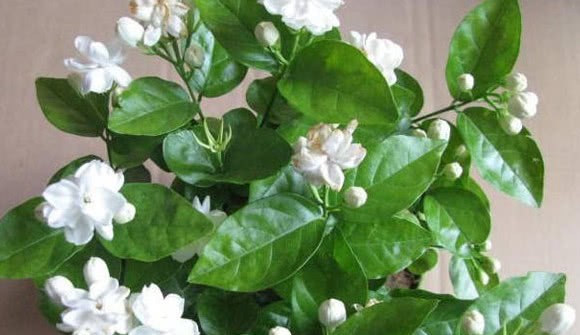
Although summer is hot, it is the best growing season for jasmine and pothos. At this time, a little care can make them fill their pots. If you don't know this yet, you're really missing out. You've been growing them for over half a year and they still aren't as vigorous as other people's flowers! So let's take a look below at how to make potted plants grow more and more luxuriantly!
I. Jasmine
Some flower lovers bought jasmine together with friends, but the plants others are growing have already bloomed a second time, and the flowers keep increasing. Yours bloomed once and then showed no movement at all. Hurry and take a look - there's still hope!
1. Summer pruning of jasmine:
Prune jasmine in summer, and it can bloom 3-4 times. For jasmine with shorter branches, after flowering, cut off 3-5 cm from the tips of the flowering branches. For jasmine with longer branches, just leave 2-3 pairs of leaves on each branch. After being pruned, jasmine's will to survive increases greatly, and it will once again grow like crazy and produce flower buds.
2. Jasmine cuttings:
The branches cut off during pruning can also be tried as cuttings. The cutting branch should have at least one pair of leaves, and the leaves can be cut in half to preserve nutrients. Use a disposable plastic cup, poke some small holes in the bottom for air, put in some sandy soil, insert the branch about 2-3 cm into the soil, place it in a shady spot, and spray water occasionally. Flower lovers who are afraid of failure can insert several more branches.
3. Summer fertilizing of jasmine:
Besides sufficient sunlight, jasmine also needs some organic fertilizer when flowering. In summer, put leftover fruit peels, kitchen leftovers and other waste into a plastic bottle with water and ferment for 20 days. Once fully fermented into liquid fertilizer, water with diluted fertilizer water twice a month (fertilizer: clear water = 1:500), and that is enough.
For flower lovers who are afraid the fermented fertilizer will smell bad, try cutting watermelon rind into small pieces, burying them in the soil, and then sealing and covering it with a plastic bag. This way it rots in about 1 month, becoming truly rich fertilized soil. Just mix a little into the flower soil.
II. Pothos
In summer, while you have curtains, others have pothos curtains. Taking one look every day really feels refreshing. It is especially suitable to grow on a north-facing windowsill, and it can also purify the air!
1. Common problems with pothos in summer:
In summer, drooping pothos leaves mean it is thirsty, and water must be poured to the roots to be absorbed. Large areas of yellowing, soft and rotting leaves mean too much water, so quickly control watering and improve ventilation. If the light is too strong, pothos will turn scorched yellow, so it must be moved to a shady place and the dead leaves cut off.
In summer, pothos is best kept indoors. A north-facing windowsill is very suitable, not only because the light is mild, but also because it is ventilated and cool. Hydroponic pothos easily gets dry leaves or rot, both caused by the environment being too dry or too humid, so only by placing it in the right spot can there be fewer problems and good growth!
2. Summer fertilizing of pothos:
Leftover beer from home can be left for 1-2 days to let the gas escape, then mixed with water (beer: water = 1:10) to wipe pothos leaves. You can also add one aspirin or vitamin B12 to the beer water. The nutrients in it can make pothos leaves glossy and promote rapid growth!
3. Pothos cuttings:
Pothos cuttings fill a pot faster. Cut off pothos branches with buds (nodes), about 3-8 cm long. Insert them upright into moist sandy soil and keep it moist; they will root in less than a week. Pothos grown this way easily climbs and trails. Pothos cuttings laid horizontally on the soil surface easily fill the whole pot.
III. Rose
Recently there has been another wave of high temperatures. A few days ago, the Jiangnan area was already almost 40 degrees. Flower lovers growing roses at home should be careful. After exceeding 36 degrees, roses are very likely to stop growing and not bloom!
1. Summer cooling measures for roses:
If you want roses to bloom continuously, you need to cool them down and prevent them from entering a "comatose" state. Besides shading, you can also place bricks under the pot for insulation, sleeve it with a larger pot to retain moisture, or wrap it in a layer of tin foil to protect it from the sun, keeping roses lively and energetic so they can bloom no matter how hot the weather is!
2. Summer fertilizing of roses:
Roses like light and are generally grown outdoors or on a south-facing balcony. In extremely hot weather, it is not suitable to add fish intestines or manure, as this easily burns the roots. You can water with fermented rice water, milk water, soybean residue water, etc., but all of these must be fermented for 1-2 weeks until fully rotted before use.
3. Pruning roses:
After blooming 1-2 times, roses easily grow blind branches, which must be pruned off, otherwise the nutrients will be stolen by them! The tips of blind branches have no buds, only a pair of leaves, so you must recognize them clearly.
4. Rose cuttings:
When the temperature exceeds 36 degrees, rose cuttings easily blacken and rot, and are not easy to keep alive. Flower lovers in cool homes can give it a try. The flowering branch should be 5-8 cm long, with one pair of leaves or more, using sandy soil as the medium, and it is best placed in a shady spot. You can poke holes in a plastic cup to make a moisture-retaining cover.
IV. Bougainvillea
Many flower lovers' bougainvillea still has not bloomed yet. While the flowering season is still here, hurry and force it to bloom, otherwise you will have to wait until next year for flowers!
1. Controlling water to make bougainvillea bloom in summer:
The most effective way to make bougainvillea bloom is water control. First let it go thirsty for a few days. When you see the leaves wilt and droop, wait half a day and then water thoroughly. After that, leave it alone. When it becomes thirsty and wilts again, water it again. After about 20-25 days back and forth, it can bloom.
If your bougainvillea blooms little and also has yellow leaves, it may be lacking iron. It is best to water with ferrous sulfate solution (1:500), or you can water with fermented fruit peel water or rice water. If you have urea at home, you can also mix in 3-5 granules each time you water.
2. Summer pruning of bougainvillea:
Bougainvillea grows too fast in summer and easily becomes leggy, so it must be pruned promptly. Besides pruning away messy long branches, Huahua also wants to introduce a braided pruning method. Braid the long branches, prune them, and leave a braid 20-30 cm long. Once it blooms, it will already have a shape.
V. Spider plant
Although spider plants look quite quiet and elegant, once summer comes they grow like crazy. Many flower lovers' spider plants are wildly producing little pups, and it looks spectacular! At this time, some flower lovers complain again: why does my spider plant just not grow?
1. Light, water and fertilizer for spider plants in summer:
Spider plants can be grown both indoors and outdoors. Indoors, place them in a spot with good light and water once every 2-3 days. Outdoors, water every day, and in the morning you can also spray water around the leaves to increase air humidity.
Besides adding some chicken manure or cow and sheep manure at the bottom of the pot as base fertilizer when repotting every year, also water once a month with potassium dihydrogen sulfate, or fry eggshells into powder and mix them into the spider plant soil. This way spider plants will wildly produce pups and can even bloom every year!
2. What to do when spider plants produce many pups:
When spider plants produce many pups, if you like the look of them hanging with little pups, you can leave them. If you do not like it, after the pups grow aerial roots, you can cut them off and plant them. They also make good gifts, and the survival rate of planting aerial roots is excellent!
VI. Snake plant
Snake plants are also very good at purifying air, but many flower lovers just put them at home after buying them and then ignore them, while also complaining that they grow slowly. In fact, they easily fill their pots, and when grown well, their formaldehyde-removing effect doubles!
1. Soil and fertilizer for snake plants:
For a newly bought snake plant, it is best to change the soil first. Leaf mold soil, pine needle soil, or coal cinder soil are all fine. Then mix in some perlite and ordinary garden soil. It has good air permeability and sufficient nutrients. Usually, water only when the soil is dry. Even with little care, it can grow plump.
If you want snake plants to wildly produce pups, you can also add fertilizer. Put chicken manure or bird droppings into the soil and bury them for about 2 weeks to decompose, then mix the decomposed fertilized soil into the flower pot. This is natural organic fertilizer. If you do not have it, you can also directly add compound fertilizer, which suits the snake plant's comprehensive nutritional needs.
2. Leaf cuttings of snake plants to produce pups:
Cut a section of snake plant leaf and insert it into the soil, place it in a cool, ventilated place, and keep the pot soil moist. Do not be curious and reach in to move it. Just wait quietly for about 1-2 weeks and little pups will emerge. One leaf can produce 3-5 pups, and one pot can become 100 pots!
The above are the methods for growing these six kinds of flowers in summer. Summer weather is hot, and keeping a pot of green plants indoors can freshen the air and also have ornamental value. But be careful, potted plants easily attract flies and other pests, so you must take care in managing them!