If you ignore these 3 details in orchid summer care, it will struggle just to get through summer, let alone bloom
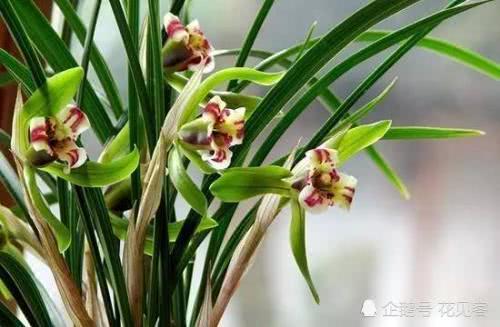
Orchids are a favorite flower of many gardening enthusiasts. As summer arrives, when growing orchids in high-temperature weather, some enthusiasts are thinking about how to help them get through summer, while others are thinking about how to make them "even better."
Actually, when caring for orchids in summer, as long as you don't ignore these 3 details, getting through summer is not difficult, and you can also make them "even better."
1. Watering control
Orchid growers all know that when caring for orchids, you need to maintain "eight parts dry, two parts moist." Even in a high-temperature summer environment, you should keep the potting soil appropriately dry, and water thoroughly only when the potting soil is almost completely dry. When the air is relatively dry, you can spray some water mist on the leaves to increase humidity and prevent dry leaf tips and yellow leaves. When spraying, be careful to spray from the bottom upward so the moisture is more even.
2. Fertilization control
Plant growth is inseparable from fertilizer, and in summer, fertilization requires special attention. A single poor application can easily cause root burn, so it is best to apply fertilizers that can be quickly absorbed by the roots. It is best to choose an organic liquid fertilizer specially made for orchids, diluted 500 times to 800 times. Fertilization is generally done in the evening, and on that same morning you should first water thoroughly. After applying it in the evening, water again the next day to flush the water through.
There is also the first point to note: when the temperature exceeds 32°C, fertilization should be stopped.
3. Pest and disease prevention
Summer is also a period of high incidence of pests and diseases. In addition to keeping them in a well-ventilated environment for care, you can spray the leaves once a week with neutral laundry detergent diluted 1000 times, which can provide a certain preventive effect.
Proper pruning is also needed. Trim away some old leaves, damaged leaves, and yellowed leaves to remove pathogens and strengthen management. For very dense parts, some should also be trimmed away to increase ventilation. Try not to divide the plants.
That is all for orchid summer care. If you have other additions, you can share them with everyone in the comment section below. If you want to learn more about flower-growing knowledge, you can follow Huajianke!