Add a little of this to your pennywort every day, and it won't get yellow leaves, and it will fill its pot in just two months
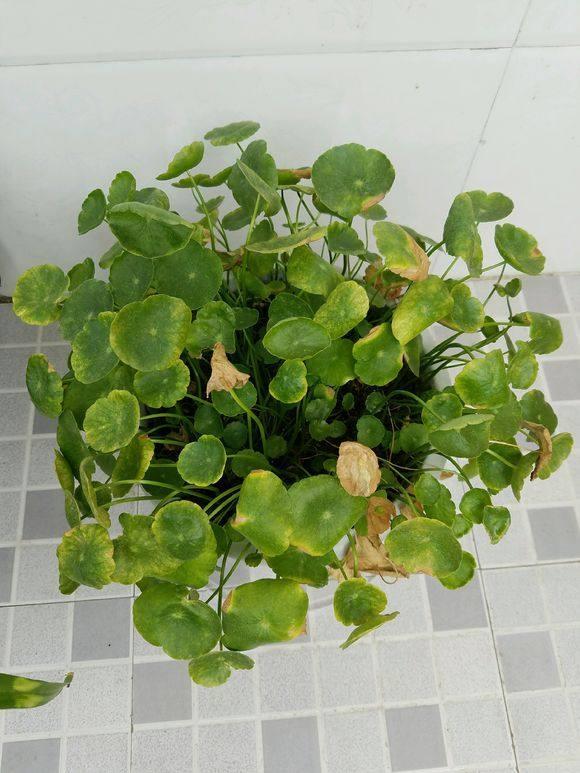
Quite a few people grow pennywort these days, mainly because this potted plant is compact and easy to keep alive. Like pothos, it lives as soon as it touches water, so it may well be the easiest potted plant to grow. In fact, the easier a plant looks to care for, the more likely it is to run into small problems. For example, when growing pennywort, it often gets yellow, withered leaves. How can you prevent pennywort leaves from turning yellow and keep it evergreen all year round?
The leaves of pennywort look like copper coins, and they also symbolize bringing in wealth. The most annoying thing is yellow leaves. But don't worry: add "it" to the pennywort's pot, and you can make pennywort grow as big as coins, and the leaves will stop turning yellow. Without further ado, let's learn it together!
Above is the pennywort of the flower lover "I'm no ordinary person". Most of the leaves have turned yellow and withered. Here's how to solve it:
Add a few drops of monopotassium phosphate solution
Monopotassium phosphate is a treasure for growing flowers and plants. That's because phosphorus and potassium are both trace elements essential for green foliage in flowers. With these two nutrient elements as fertilizer, plants will grow faster, and they will generally go into a spurt of growth. In a short time, pennywort can fill its pot. How to use it: because most monopotassium phosphate on the market is in granular or powder form, it needs to be dissolved. Just dissolve a small amount of the granules in water. Add two drops each day when you water the pennywort.
The effect of using monopotassium phosphate to grow pennywort is amazing: in less than two months it will grow so full it fills the pot. And the leaves grow round and glossy green. During the care process, pennywort also needs attention to daily details, such as the following aspects you should know.
1. Pennywort can be grown hydroponically, or semi-soil semi-water. For the soil, it is best to use a mixed substrate made of leaf mold, river mud, and garden soil in a 1:4:4 ratio.
2. Because pennywort has many leaves and a high transpiration rate, in summer you should often spray water on the plant to maintain relatively high air humidity, which also helps photosynthesis. Spray water in the early morning and in the evening.
What should you do if the pennywort leaves turn seriously yellow?
If the yellowing of pennywort leaves is severe, it is recommended to cut off the branches and leaves directly from the base of the pennywort. This method represents restarting the care and growing new branches. It also applies to yellow leaves on spider plants. After cutting off the branches, the early care period for the pennywort is very important. First, make sure the pennywort has enough ventilation, and second, let it receive 3-5 hours of scattered light every day. Each month it is best to apply some decomposed organic fertilizer such as bean cake. With this care, new branches can sprout in two months.
How does pennywort propagate?
Pennywort propagates quickly, and like pothos it can be propagated by cuttings. For the cuttings, you can directly take divisions of the pennywort. For the cutting substrate, it is best to use pond mud; in a good pond mud environment, pennywort can root in three days. After rooting, transplant it into a larger pot, and then just care for it normally. Overall, pennywort is still fairly easy to grow. I hope all you flower lovers can grow your pennywort evergreen all year round, filling the pot so much that even the balcony can't hold it!
That's all for sharing knowledge about pennywort. Thank you for reading!
Remember to like and share~