Growing Clivia and spider plants: homemade nutrient soil makes the leaves glossy green and speeds up flowering
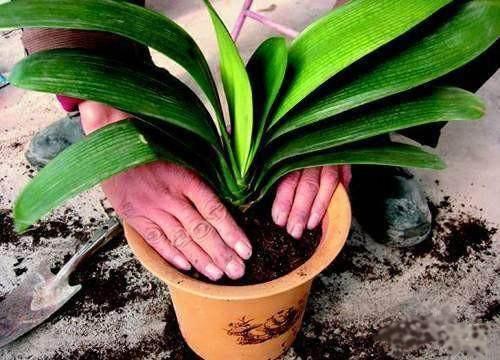
Although it is said that "fertilizer counts for three parts and water for seven" in growing flowers, if the soil is poor, the plant's roots will not grow well, which directly affects the growth and flowering of potted plants. Although the flower market sells special soil for flowers, that kind of soil is not necessarily suitable for every kind of plant. It is better to mix some nutrient soil yourself according to the characteristics of the plants and flowers. That way, potted flowers will grow even better.
Today let's talk about making slightly acidic soil yourself. Because whether it is Clivia or spider plants, or gardenia, they all suit growing in slightly acidic soil. Once it is mixed well, the leaves will become more emerald green, and flowering will also last longer.
How to mix nutrient soil:
Mix leaf mold, garden soil and pine needles in a 4:2:1 ratio, and the nutrient soil you make will be rich in nutrients and slightly acidic. This is exactly the best soil environment for plants such as Clivia. Garden soil is relatively easy to get; you can dig some in your residential compound or along both sides of the road. Pine needles and leaf mold both need to be dug up from the woods.
The benefits of leaf mold:
Leaf mold is soil formed from dead branches and fallen leaves rotting and piling up over the years, and it is itself a slightly acidic soil. This kind of soil is rich in humus, nitrogen, phosphorus, potassium and trace elements, with a loose and airy texture and good water and fertilizer retention, making it the most suitable for growing flowers!
You can just go look for leaf mold in a small grove; of course, a large forest is even better. In dark and damp places, where dead branches and fallen leaves have piled up for a long time, the leaf mold has a higher nutrient content. After collecting the leaf mold, it can generally be used directly. Remember that leaf mold must not be left out in the sun, or the nutrients will be lost.
Besides leaf mold, it is best to also find some pine needles.
The role of pine needles is to keep warmth and retain water. They also contain many nutrients and have strong air permeability. For plants with well-developed root systems like Clivia and spider plants, it will not do for the potting soil to be poorly aerated. Nor can it have poor water permeability, otherwise it will cause the roots to lack oxygen and rot.
Besides soil, what other tricks are there for growing Clivia and spider plants?
1. Bury some soybeans at the bottom of the flower pot
During the growing period, Clivia and spider plants absolutely must not lack fertilizer. Otherwise, the leaves will turn yellow and look listless. It is essential to apply some organic fertilizer to the plants every month. You can use barnyard manure, fermented fish bones, chicken bones, etc.; these substances are rich in trace elements. If you find the smell of these organic materials unpleasant, you can use decomposed soybeans instead.
The specific method is: soak the soybeans in water for one day, then cook them, put them in a sealed container, fill it with water - a mineral water bottle will do. Leave it in a cool place for two months. Take out the fermented soybeans and liquid and they are ready to use. Remember to dilute before each use.
2. Commonly use rice washing water to water flowers
After fermentation, rice washing water is slightly acidic. Remember to add it every time you water Clivia and spider plants; it can lower the pH of the potting soil, so that the soil in the pot can remain slightly acidic for a long time. This prevents the soil from becoming alkaline after the nutrients in the leaf mold are used up, which would otherwise affect the growth and absorption of the plant's roots.
Watering flowers with rice washing water has been tried by many flower growers, and the effect is great, so flower growers can use it boldly!
As shown in the picture, Clivia watered with rice washing water for a long time sends up flower spikes early, and each time the flowers it produces are big and vivid. In addition, wiping the leaves of Clivia with beer every month can also make the leaves thicker and broader, which indirectly helps extend the flowering period of Clivia by as much as more than 40 days.
That is all for sharing this flower-growing knowledge. Thank you for reading!
Remember to like and share~