What were the early rice planting methods in the Central Plains region?
Raising seedlings
Around May 1 each year, rice seedlings are raised. The rice seeds must first be sun-dried, then disinfected. In the early days there were no disinfectants, so quicklime used for building houses was used. The sun-dried rice seeds were put into a water vat, quicklime was added, and water was added for soaking. The water in the vat had to be changed every day. After soaking for about 2~3 days, they could be scooped out and drained dry.
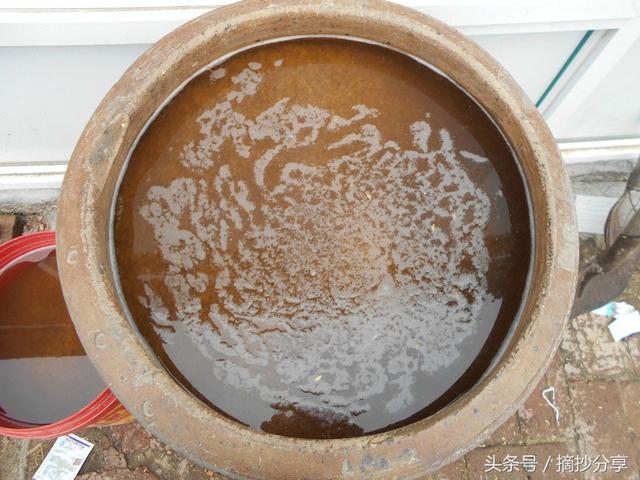
Rice seeds soaking in the water vat
The drained rice seeds are scattered on a previously prepared rice bed, spread evenly, and covered with prepared farmyard dry manure. Once the seeds are scattered and the manure is covered, water is added until it just covers the rice bed. After the seedlings emerge, they must be watered frequently, with close attention paid to weeds and pests.
A rice bed before the rice seeds are scattered
After 40 days, the wheat harvest is finished and the rice seedlings have also grown well. Water is poured onto the turned soil and then transplanting can begin.
Well-grown rice seedlings
Transplanting
The rice seedlings are separated from the seedling bed, transported to the field, and then transplanting can begin.
Separating the rice seedlings
Transplanting
To ensure that multiple people transplant in neat rows, a string line is usually used as a guide. Transplanting is not easy work. In the flooded rice field, you cannot stand up straight or squat down; you can only bend at the waist, and after a whole day you are extremely exhausted.
The string line used for transplanting
Diammonium phosphate in the planted rice field turns the water grass-green, making it look full of nutrients.
Harvesting
Around mid-October each year, the rice matures and can be harvested.
A mature rice field
Harvesting rice
The cut rice has a high moisture content and needs to be dried for a few days to reduce the moisture, then tied into small bundles.
After drying, the rice looks like this, and then it is tied into small bundles
Bundled rice
Carrying the rice on one's back
Although the rice has matured, the ground is still very wet, and farm vehicles cannot get in, so it has to be carried out bit by bit on one's back. The rice brought home is placed very neatly and piled into square stacks. A rice thresher is used to thresh the rice grains, which are then bagged and sent to a rice purchasing point to be sold. In recent years, the vigorous development of machinery has saved farmers a great deal of physical labor. Seedling raising and planting are largely similar; only harvesting is no longer so troublesome, as a machine can drive into the field and get it done in one pass.
A rice thresher, which needs to be driven by an electric motor or an engine
A crawler-type rice harvester