How to Plant Lotus Seeds? A Step-by-Step Guide to the Planting Method
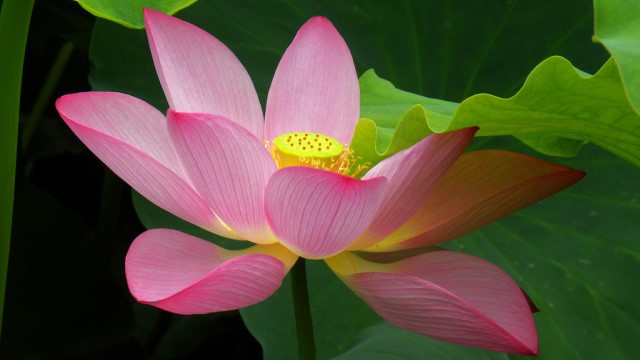
I. Planting Method
1. Select suitable ornamental lotus seeds, and rub or cut the sunken end of the seed until it breaks open on a cement surface.
2. Soak the seeds in warm water and wait for them to sprout.
3. During germination, change the water frequently to keep it clear.
4. In about a week, wait for them to sprout; when the roots have grown to about 10cm, they can be transplanted.
5. Remove the rooted plants and pot them up, one plant per pot; the water layer should be about 3-5cm, and must not be too deep, otherwise it is unfavorable for plant growth, and the lotus leaves must not be submerged in the water.
II. Care
1. Soil: Choose soil rich in humus and reduce the amount of base fertilizer; if the soil is fairly fertile, there is no need to apply base fertilizer, to prevent burning the seedlings.
2. Light: Ensure at least 8 hours of sunlight a day, but avoid strong light during the midday exposure.
3. Water: In the early stage, the water layer can be kept at about 3cm; if the water is too deep, it is difficult to raise the temperature. In the peak growing season, the water level can be kept at about 15cm; in addition, add water once every morning.
4. Temperature: It is a warmth-loving plant, and the temperature must be above 13°C, otherwise growth will slow or the plant will rot; flowering requires above 22°C. It can tolerate high temperatures, and above 40°C will not affect its growth, but be sure to maintain the water level in the pot.
5. Fertilizing: It does not like fertilizer, so when the soil is fairly fertile, no fertilizing is needed all year.