Is Ginger Lily Toxic, and Can It Be Grown at Home?
Ginger lily is a rather elegant ornamental flower, and its fragrance spreads a fresh, pleasant scent. At the same time, the rhizome of ginger lily is also a Chinese medicinal herb. As the saying goes, "every medicine is three parts poison," so could ginger lily also be toxic? Can it be grown at home? Today Qinnong.com will answer these questions for you.
I. Is Ginger Lily Toxic?
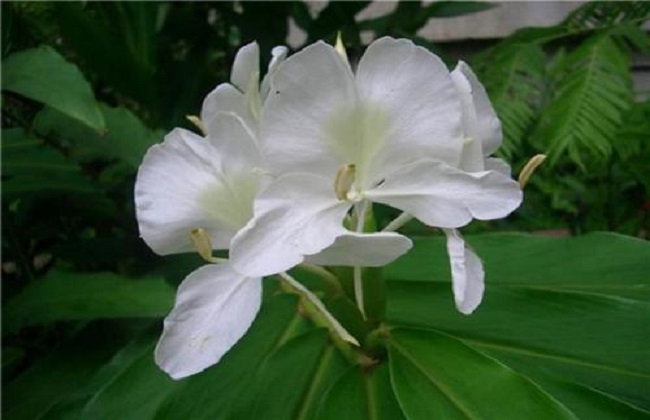
In terms of medicinal value, the rhizome and fruit of ginger lily are used in Chinese medicine, so they do contain a certain medicinal toxicity. However, for household cultivation, this does not hinder the ornamental value of ginger lily.
If you are an allergic person, it may cause symptoms such as dizziness and nausea, but if you do not have an allergy-prone constitution, then you might as well buy one and put it in your home; you are sure to fall in love with it at first sight and be charmed even more on second look.
Ginger lily is not only beautiful in flower, but its fragrance is even more delightful. Just one small ginger lily plant can fill an entire house with fragrance. Although the fragrance of ginger lily is rich, the floral scent is not toxic, and it has the effects of relieving stress, refreshing the mind, and eliminating fatigue. It can also absorb harmful components in the air and play a filtering role.
II. Can Ginger Lily Be Grown at Home?
In ordinary households, ginger lily does not hinder us from enjoying it, but after all, some people are allergic to its flower poison and will experience symptoms such as dizziness and nausea. Its fresh, simple, and elegant flowers are fragrant and sweet. It likes to grow in high-temperature, shady environments, and prefers acidic sandy soil. When winter arrives and the temperature drops, the parts above ground wither, while the underground parts enter dormancy to overwinter.
Its fragrance fills the surroundings, so it is very suitable to buy a bunch and place it indoors. As long as there are no allergic symptoms, it can be cultivated for a long time. Its faint, delicate fragrance is truly refreshing and uplifting. It can absorb harmful dust and chemical gases in the air, filter the air, and make the room cleaner and fresher. The petals of ginger lily contain certain volatile essential oils and can be boiled in clear water into a tea to help us resist wind-cold.
III. Is It Good to Keep Ginger Lily Indoors?
The entire ginger lily plant is edible. It can absorb various harmful gases in the air, help filter the air, and achieve the purpose of purification and improvement.
Placing it in a room can help clean and freshen the household air, and can help people who have been tired all day relax, soothe themselves, and refresh themselves.
The rhizome and fruit of ginger lily can be used as medicine and have high medicinal value. The Chinese medicinal name of its rhizome is Lubianjiang. It is warm in nature. Harvesting its rhizome in winter, drying it in the sun, and using it as medicine can strengthen the stomach and dispel wind-cold. The Chinese medicinal name of its fruit is ginger lily fruit. It is warm in nature. Harvested in autumn and winter, it can strengthen the stomach, disperse cold, and relieve pain.,
Ginger lily by nature likes mountain areas and calm watersides, especially flowing clear, clean living water, giving off a faint, delicate fragrance. Growing in such an environment, it is like a graceful fairy by the bank of a clear stream.
For women, ginger lily can care for the vulnerable uterus and improve physiological problems such as menstruation.
The above is Qinnong.com's answer to questions such as whether ginger lily is toxic. It can be seen that although ginger lily does carry toxicity, this toxicity will not be released along with the fragrance the flower gives off, so there is no need to worry about being poisoned. If you have no allergic reaction to pollen or floral fragrance, then go ahead and plant it boldly!