What are the spring care tips for houseplants?
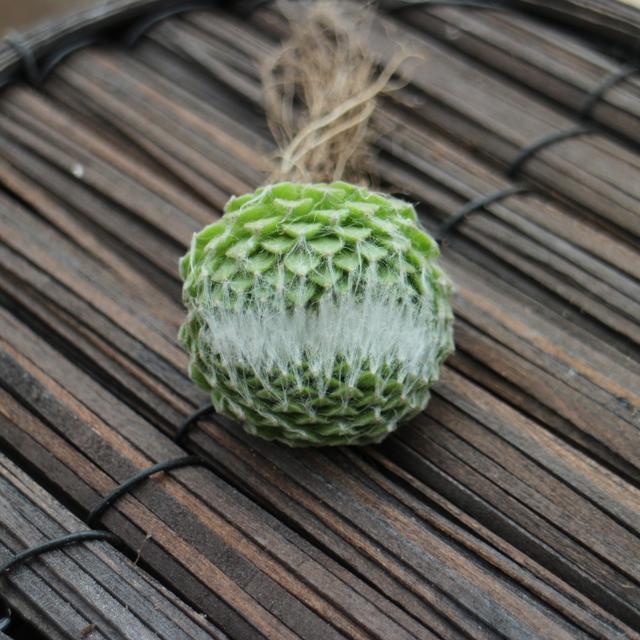
Spring care tips for houseplants
With the development of modern society, people's living standards and quality of life have gradually improved, and keeping flowers at home has become part of urban residents' lives. As the weather warms up, indoor heating gradually stops, and potted flowers are gradually moved outdoors. Spring temperatures are changeable, so in order to help flowers adapt to environmental changes, spring flower care and management must be done well.
1 Moving outdoors must be done at the right time
In early spring, do not rush to move flowers outdoors. Spring temperatures are changeable and the wind is strong, and cold spells often arrive; moving them outdoors too early can easily cause leaf drop or the death of branches or the entire plant. In the Xingtai-Handan area of southern Hebei Province, potted flowers are generally moved outdoors around Qingming. Before moving them outdoors, open the windows for ventilation around noon so they gradually adapt to the outdoor environment, then move them to a sheltered, sunny spot outdoors. If sudden cold or strong wind occurs, move them back indoors promptly, and move them out again after the weather improves.
2 Fertilizer and water management
For watering potted flowers in spring, follow the principle of "do not water if not dry, and water thoroughly when watering." The best time to water is between 10:00 a.m. and 16:00 p.m. At the same time, in addition to normal watering, spray the branches and leaves and the surrounding ground with clean water in the morning and evening. When the plant has not yet sprouted in spring, water with clean water only and do not fertilize. After new buds grow, apply a relatively dilute liquid fertilizer, mainly nitrogen fertilizer. As the plant grows, fertilizer and water can be gradually increased. Fertilizers are mainly liquid fertilizer and granular compound fertilizer. If applying composted manure, it must be fully decomposed. Fertilizing should be done on a clear evening. Before fertilizing, loosen the soil first, and fertilize after the potting soil is slightly dry. After fertilizing, immediately spray the leaf surfaces with clean water to avoid fertilizer liquid contaminating the leaf surfaces.
3 Repot and change the soil in time
For potted flowers that have been planted for 1 to 2 years, if the pot is too small, they need to be repotted and topped up with soil to increase soil nutrients and improve soil aeration. Different types of flowers are repotted at different times. For example, perennial flowers should be repotted in early spring before new buds sprout, while those that bloom in early spring should be repotted after flowering. For repotting soil, generally use loose humus soil. Along with repotting, carry out branch pruning once, cutting off diseased branches and dead branches, or excessively long branches, and promptly remove young buds that do not need to be kept. Flowers such as clivia and orchids can be divided during repotting.