Potted gardenia leaves turning yellow and wilting is mostly due to failing at these 3 points
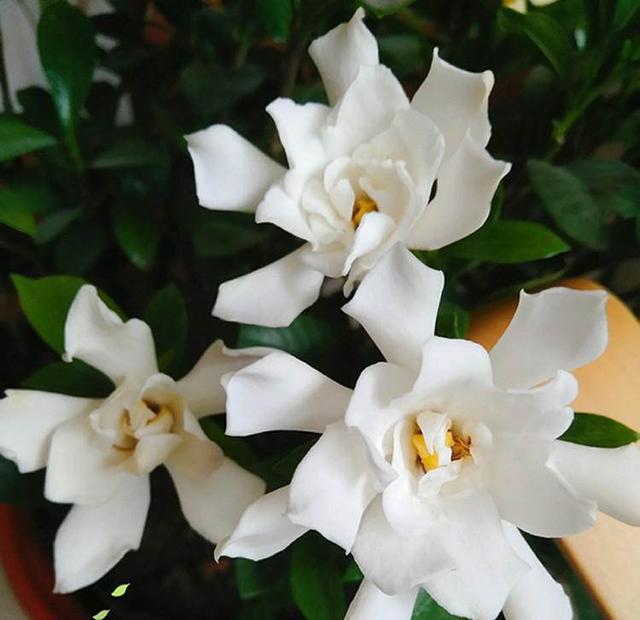
Gardenia, because it stays evergreen all year round, has bright green leaves, large double flowers, a delicate and elegant form, and a rich fragrance. It can be grown both as a bonsai and as a potted plant, making it most suitable for growing on a home balcony. However, in the process of care, gardening enthusiasts often encounter the phenomenon of gardenia leaves looking "yellow and wilted"; in fact, it is because 3 points were not done well.
1. Unreasonable watering leading to iron deficiency
Gardenia is an acid-loving plant, so it should not be watered with alkaline water over the long term, otherwise it easily leads to a lack of iron and other elements in the soil that the roots can absorb and use, affecting chlorophyll synthesis. The leaf color will also gradually turn from green to yellow, and in severe cases the entire leaf turns yellow-white to white and wilts and drops off on its own.
At this time, gardening enthusiasts can combine fertilizing the gardenia with alternating sprays of liquid fertilizer and 0.1% ferrous sulfate solution for prevention and control. Generally once every half month, for 3 consecutive times, and the symptoms of yellow leaves can be relieved. With continued use, the problem of yellow leaves on gardenia can be reduced.
3. Magnesium deficiency in gardenia
When gardenia is deficient in magnesium, the areas between the veins of the lower old leaves first lose green and turn yellow. To prevent this phenomenon, gardening enthusiasts should apply less potassium fertilizer and ammonium fertilizer during fertilization, because they have an antagonistic effect with magnesium ions, thus leading to the loss of magnesium. The correct method is: regularly apply alum fertilizer water, and after budding, apply 2~3 additional rounds of organic liquid flower fertilizer, diluted 500 times and watered on.
3. Too much water supply
Gardenia likes moisture, so in addition to regular watering, gardening enthusiasts should also increase air humidity. But in summer, do not water too much; if there is too much, plus high temperatures and direct strong light, it can also cause leaves to turn yellow and even drop. In addition, not repotting for many years can also cause the plant to lack fertilizer, making the plant grow poorly and the leaves turn yellow.
Therefore, when caring for gardenia, pay attention to doing the above 3 points well, and then take corresponding measures for the specific situation, which will reduce the symptoms or prevent leaf yellowing, and the gardenia leaves will no longer look "yellow and wilted."