Throw a little of this into the clivia pot and you'll get fat leaves, lots of flowers, and no root rot - the results are especially good
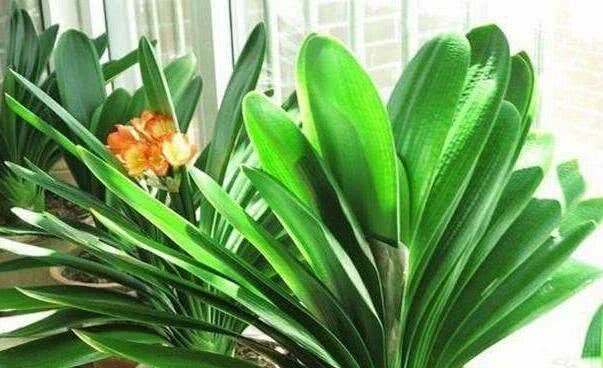
Clivia has beautiful leaves, and many gardening enthusiasts love it even when it doesn't bloom. Especially after it blooms, it's unbelievably beautiful. Keeping one pot at home is elegant and impressive. Although gardening enthusiasts all love clivia, many have left messages saying their clivia never seems to grow, let alone bloom. Don't worry - today I'll share a little method. We use "it" to grow clivia, and the results are first-rate. Just throw a little into the pot and you'll get fat leaves, lots of flowers, and no root rot. Gardening enthusiasts, let's take a look together!
What is "it" here?
Bone scraps
Gardening enthusiasts all know that clivia is a potted plant that loves fertilizer, and bone scraps are perfect for growing clivia. Using bone scraps as flower fertilizer is a nutrient-rich compound flower fertilizer. It contains abundant calcium, phosphorus, nitrogen and potassium fertilizer. The method of use is as follows:
First collect the bones, put the collected bones into clean water and soak them repeatedly for 24 hours to remove the salt and other materials on them. Then put them in a pressure cooker and simmer for about 30 minutes. After cooling, take the bones out, put them in the sun to bake for 1-2 days, then find a hammer and smash them into pieces - the smaller the better. Then they can be used to grow flowers
You can mix them into the clivia potting soil and then plant the flower directly, or you can poke several small holes in the clivia pot, put in some bone scraps and cover them back up. With each watering and as time passes, the various nutrients in the bone scraps will slowly leach out and be absorbed by the clivia. The results are really especially good. After using it, the clivia grows thick, fat leaves and has lots of brightly colored flowers.
You can also put the water used to boil the bones together with the bone scraps into a plastic bottle, add orange peel and let it ferment. At the current temperature, in about 20 days you can take the upper clear liquid, dilute it with water and water your flowers. The dilution ratio is 1:20, and the results are also especially good
Pine needles
If bone scraps are combined with pine needles to grow clivia, it will really burst out of the pot uncontrollably. Below, let's talk about how to use pine needles to grow clivia
Gardening enthusiasts are surely familiar with pine needles. You can pick them up under the pine trees in parks, but Xiaohua suggests that gardening enthusiasts buy some online instead - it's better. There are two ways to use them.
One is to cut the pine needles into segments and use them directly as pot drainage. When using them this way, be sure to spread them at the very bottom of the pot and don't let the clivia roots come into direct contact with them, because they have good air permeability. With each watering, they will slowly ferment, making the potting soil loose and airy, and they can also provide nutrients for the clivia.
The second is to cut the pine needles into small pieces, find a flower pot, then fill it layer by layer with garden soil and pine needles, and pour on rice-washing water - be sure to soak it thoroughly - then seal the opening and put it in the sun to ferment. After about 60 days, you can open it, spread out the fermented pine needle soil, put it in the sun to bake, and then mix it with clivia soil to grow flowers directly. This kind of soil is nutrient-rich, loose and airy, and is the best organic fertilizer soil for growing clivia.
Gardening enthusiasts, have you learned it?
To grow clivia well, light and watering are also very important. Let's take a look together
Light
Clivia tends to bloom under short-day conditions. Harsh sun exposure and direct summer sunlight can cause sunscald and inhibit growth. From May to September each year, it should be cultivated under a shade shed or in a semi-shaded environment without direct sunlight.
But in winter, the longer the sunlight exposure, the better. When blooming, weak light can extend the flowering period.
Since clivia's two rows of leaves are opposite each other, if the light stays in one position for a long time, the leaves will grow unevenly and affect the ornamental effect. Therefore, when adjusting the light, pay attention to the direction of the leaves, and swap the side facing the sun about every 10 days
Watering
Clivia has broad leaves and a tender texture, and requires relatively high soil moisture content and relatively high air humidity. In hot summer, clivia grows slowly and the roots absorb little water, but the leaves evaporate a lot of water.
Therefore, clivia must not lack water, otherwise the fleshy roots will shrink, the leaves will become thin and weak, and dull. When watering, stick to the principle of watering when half-dry, and watering thoroughly when you do water.