What to Do When Calathea rufibarba Leaves Curl and Dry Up? Causes and Solutions
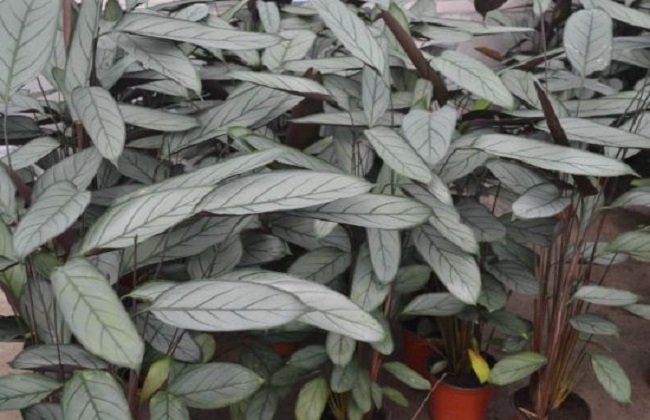
Calathea rufibarba is a foliage plant in the Marantaceae family native to the tropical rainforests of South America. Its shape and texture resemble feathers, which is why it is called Calathea rufibarba (furry feather calathea). Its leaves open during the day and close at night, similar to mimosa, which is quite unusual. The leaves of Calathea rufibarba have dark green stripes that look like zebra stripes, and it is now mostly used as a potted plant to decorate rooms and public spaces. After growing Calathea rufibarba for a while, many people find that its leaves curl. What is going on? Today Qinnong Web will analyze the causes of dry, curled leaves in Calathea rufibarba and the related solutions.
1. Caused by direct sunlight
Calathea rufibarba does not have very high light requirements; it is a plant that likes semi-shaded environments and cannot be exposed to the sun for long periods, and it is especially intolerant of high temperatures. If it is exposed to strong light for a long time, the excessive ultraviolet rays plus the light can easily scorch the leaves, causing the leaves of Calathea rufibarba to burn and curl. However, Calathea rufibarba cannot do without light either, so in this situation, try not to give too much sun exposure in summer, and in winter you can provide appropriate sunlight. By avoiding too much direct sun, the curling edges will not appear.
2. Curling caused by lack of water
Calathea rufibarba likes shade and also likes moisture. If the soil in the pot is too dry, the leaves of Calathea rufibarba can easily wither, thus drying up and curling. You can dig into the soil to take a look; generally you need to dig down about 10 cm to see whether the roots are short of water. Therefore, you need to manage watering for Calathea rufibarba well. In spring, summer and autumn, the soil in the flowerpot should be kept moist at all times. If it is too dry, you can also sprinkle water on the leaves. In winter, you need to water less and keep the soil in the pot on the drier side.
3. Curling caused by pests and diseases
If it is not a lack of water at the roots or direct sunlight, then the roots may be affected by pests or diseases. You can dig into the soil and carefully observe whether the roots have leaf spot disease or rust disease. If they have these two diseases, you can use 1000-times carbendazim for treatment. If you find common scale insects or whiteflies, you need to use professional pest-control medication for pest removal and care.
The above are the solutions brought to you by Qinnong Web on what to do when Calathea rufibarba leaves curl. As a relatively excellent foliage plant, if its leaves curl, it will seriously affect its ornamental value. This article introduces three possible causes of leaf curling. If you encounter leaf curling when growing Calathea rufibarba, you can refer to this article to analyze the cause and then treat the problem accordingly.