What Tree Do Pine Nuts Come From? An Article to Understand the Source of Pine Nuts
Pine nuts are also known as pine fruit, fruit pine nuts, sea pine nuts, etc. They have very high nutritional value and are rich in fat, protein, carbohydrates and other nutrients. They are not only a delicious food, but also an excellent food therapy product. Regular consumption can strengthen the body and mind, moisturize the skin, and prolong life, which is why they are called the "longevity fruit". Let us take a look below at what tree pine nuts come from!
What tree do pine nuts come from?
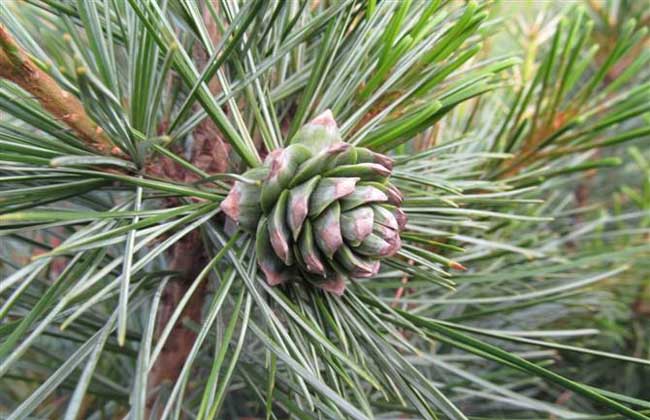
Pine nuts are the seeds of plants in the Pinaceae family such as the Korean pine. The Korean pine is a second-class key protected wild plant in China. Also known as sea pine, fruit pine, Korean pine, etc., it is an evergreen gymnosperm of the genus Pinus in the Pinaceae family. In China, it is mainly produced in the Changbai Mountain area of Northeast China, the Jilin mountain area, and the brown forest soil zone south of Aihui in the Lesser Khingan Mountains at an altitude of 150-1800 m with a cold temperate and humid climate. Its seeds can be eaten or used medicinally, and can also be pressed for oil for food and industrial use. Yichun in Heilongjiang is the main producing area of Korean pine nuts.
What types of pine nuts are there?
1. Northeast pine nuts: Northeast pine nuts are the seeds of the Korean pine, a plant in the Pinaceae family. They are named for being produced in Northeast China and are distributed in the Changbai Mountain and Lesser Khingan Mountains forest areas of Northeast China. They have effects such as nourishing yin and moistening the lungs, beautifying and resisting aging, and prolonging life, which is why they are called the "longevity fruit".
2. Brazilian pine nuts: Brazilian pine nuts are the seeds of the Brazilian pine, a plant of the genus Araucaria in the Araucariaceae family. In fact, although the Brazilian pine is named "pine", it is not a pine tree. It is native to southern Brazil, especially Parana state. Its seeds are shaped like large pine nuts and are edible.
3. Luoshui pine nuts: Luoshui pine nuts mainly come from pine nuts produced by pine trees in the mountains of Yunnan, Guizhou, and Sichuan. They have a completely different appearance and taste from Northeast pine nuts. Compared with Northeast pine nuts, their shells are thinner and can be cracked open like sunflower seeds. Whether eaten raw, stir-fried, or boiled, they are very fragrant.
What are the benefits of eating pine nuts?
1. Strengthening the brain and improving intelligence: Pine nuts contain very rich unsaturated fatty acids, glutamic acid, phosphorus, and manganese. These nutrients have a good nourishing effect on the brain and cranial nerves, and have the benefits of nourishing and strengthening the brain.
2. Softening blood vessels: Pine nuts have a very high oil content, but most of it is unsaturated fatty acids such as linoleic acid and linolenic acid, which have the effect of softening blood vessels and preventing and treating atherosclerosis.
3. Moisturizing the skin and beautifying: Pine nuts are rich in oils and various nutrients. They can nourish the five internal organs, replenish qi and blood, and maintain youthful appearance. They have good skin-moisturizing, beautifying, and hair-darkening benefits, and are especially suitable for women.
4. Slowing aging: Pine nuts contain very rich vitamin E, which can inhibit lipid peroxidation inside cells and on cell membranes, protect cells from free radical damage, and has a good anti-aging effect.
5. Moistening the intestines and promoting bowel movements: Pine nut kernels have a very high content of fatty oil, which has a good effect on moistening the intestines and promoting bowel movements without damaging vital qi. They have a good food therapy effect on constipation due to fluid deficiency in children and constipation due to physical weakness in the elderly.
What are the contraindications for eating pine nuts?
1. Pine nuts stored for too long will produce a "rancid" smell and are not suitable for consumption.
2. Patients with kidney deficiency and spermatorrhea, or with damp phlegm, should not eat too many pine nuts.
3. Patients with diarrhea and excessive phlegm who eat too many may worsen their condition.
4. People with certain special constitutions may experience taste confusion after eating pine nuts.
5. Pine nuts have a high oil content and high calories, so eating too many can easily lead to weight gain.