Is melon a hot-natured or cool-natured food? One article explains melon's cold-heat properties clearly
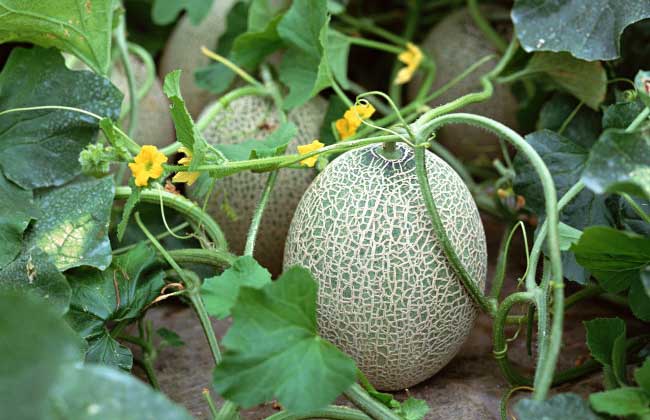
Melon is also known as oriental melon, Hami melon, Lanzhou melon, etc. It is rich in nutrients, containing protein, carbohydrates, carotene, vitamin B1, vitamin B2, niacin, calcium, phosphorus, iron and other components, and also contains invertase, which can convert insoluble protein into soluble protein. Let's take a look below at whether melon is hot-natured or cool-natured!
Is melon a hot-natured or cool-natured food?
Melon is a cool-natured fruit. Melon tastes sweet and its nature is cold, and it can quench thirst and promote diuresis. Especially in summer, its rich water content can help solve problems such as poor appetite and dry mouth and astringent tongue. However, because melon is a cool-natured fruit, people with deficient cold of spleen and stomach and people with weak constitution and blood deficiency should not eat too much of it, and pregnant women are also not very suited to eating too much melon.
Is melon acidic or alkaline?
Melon is a weakly alkaline fruit. Usually, sugary fruits or fruits that taste sour and astringent when unripe are acidic, but melon is an exception and is a weakly alkaline fruit. In fact, distinguishing alkaline foods from acidic foods requires looking at the metabolic products. The classification of alkaline foods is based on whether the final metabolic products of the food in the human body include cations such as calcium, magnesium, potassium and sodium, which makes it an alkaline food; if the metabolic products are mostly sulfur and phosphorus, it is an acidic food. Melon's proportion of potassium, sodium, calcium, magnesium, etc. is higher than its acidic components, so it is an alkaline food.
What benefits does eating melon have?
1. Clearing heat and relieving summer heat: Melon contains a large amount of carbohydrates as well as citric acid, carotene, vitamins B and C, etc., and is full of water. It can relieve summer heat and clear heat, promote body fluids and quench thirst, and remove irritability, etc.
2. Treating kidney disease: The invertase contained in melon can convert insoluble protein into soluble protein, which can help kidney disease patients absorb nutrients and is beneficial to kidney disease patients.
3. Protecting the liver: Cucurbitacin B contained in melon pedicels can significantly increase experimental liver glycogen accumulation and reduce chronic liver injury, thereby preventing fatty degeneration of liver cells and inhibiting fibrous proliferation.
4. Emetic effect: Melon pedicels contain crystalline bitter substances such as elaterin and cucurbitacin, which can stimulate the gastric mucosa. Taken orally in an appropriate amount, it can cause vomiting, but it is not absorbed by the body and has no disadvantages such as collapse and poisoning.
5. Insecticidal effect: Melon seeds have the effect of expelling and killing roundworms, filarial worms, etc., and can be widely used to treat worm accumulation diseases.
6. Supplementing nutrition: Ripe melon flesh contains protein, fat, carbohydrates, inorganic salts, etc., and can supplement the energy and nutrients needed by the human body and help the body recover health.