If your Clivia grows crooked, cut it once and new shoots will sprout with strong growth, and a cluster of Clivia will bloom abundantly and fill the pot
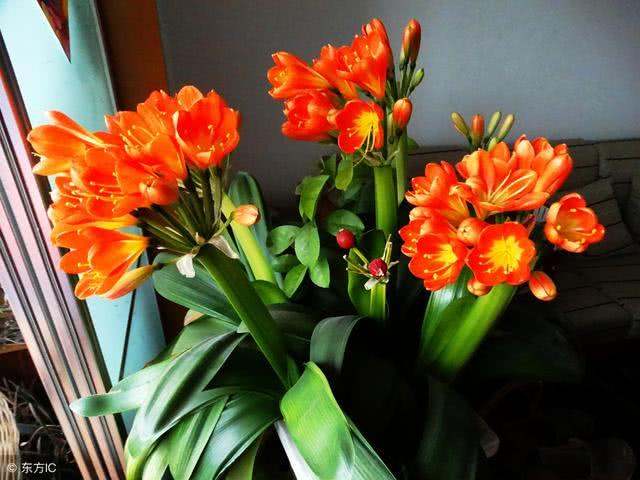
Clivia, many flower lovers are quite fond of it, with large leaves and large flowers. If it grows in a cluster, the Clivia that blooms will fill a whole big pot, giving a very striking visual effect.
But Clivia generally has a center-parted "hairstyle", with leaves symmetrical on both sides. If we neglect management when caring for Clivia, it tends to grow crooked. If it still grows crooked after you correct it, and you really cannot stand this ugly look, you can try "beheading" the Clivia. With one cut, you can grow a cluster of Clivia.
1. "Behead" the Clivia. Prepare a sharp blade, then disinfect it well with alcohol, and cut swiftly with one stroke. The cut should be neat, to prepare for the next steps. Both the upper and lower parts of the Clivia can sprout. Let's see how to proceed next.
2. Let the "head" grow new roots. Do not throw away the upper part of the Clivia plant. Like this, prepare a breathable ceramic pot, fill it with soil, and mix 4 parts coarse river sand plus 3 parts soft pine needles, then add 3 parts leaf mold. Before potting, sun the soil for a few days to reduce bacterial infection. Coarse river sand is best for rooting. Then, like this, bury this Clivia plant in it. The depth should be just enough to hold the plant steady; burying too deep makes it prone to rot, and burying too shallow makes it unstable. This depth of mine is just right.
After about half a month, this Clivia plant has already sprouted. Usually water it less; the soil only needs to be slightly moist, and never waterlogged. Then place it in a cool place with scattered light, not in direct sun, otherwise it will be very hard for it to grow roots. After roots grow, wait about another 2 weeks until the root system is stronger, then it can be potted and replanted.
3. Let the "bottom" send out new shoots. The lower old stump with roots should not be ignored either. Usually also pay attention to keeping the potting soil moist. I dug out a little of the original potting soil, added decayed bark into it, and likewise placed it in a ventilated and cool place for care, keeping the potting soil moist. It also slowly sent out small shoots. Isn't the feeling of waiting wonderful?
4. When the new shoots of these two pots of Clivia grow a bit bigger, it is time to fertilize. Clivia likes fertilizer; if nutrients cannot keep up, it will not be fond of blooming. For fertilizing, use organic nutrient solution, which is rich in organic matter and helps promote the root growth of Clivia. When the roots grow well, it can greatly increase the survival rate of Clivia. Supplemental fertilizer and strengthening seedlings are a very key step in the early stage of care.
If your Clivia grows crooked, or the leaves develop spots and turn yellow, you can try this "beheading" method to renew the Clivia, but the premise is that the root system must be intact. If your Clivia is healthy, then this method is not recommended!