Clivia seeds not germinating? Handle them this way for fast germination and turn 1 pot into 100 pots
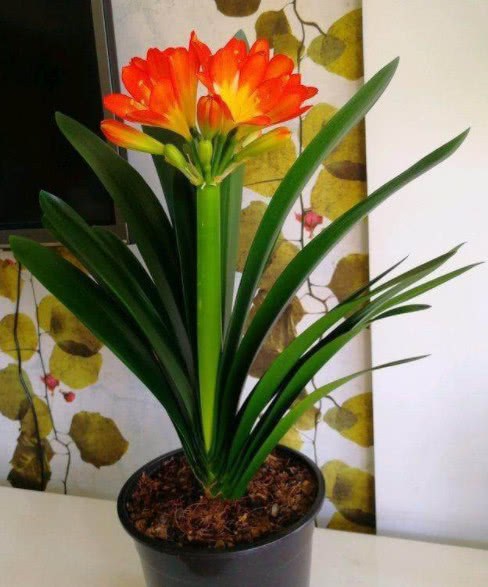
Clivia is deeply loved by flower enthusiasts; they keep one pot after another and can't stop buying them. But after a Clivia blooms, successful pollination means seeds will form, so wouldn't it be a shame not to sow them? You can turn 1 pot into 100 pots and easily become a big grower. Today let's talk about sowing, so Clivia can quickly take root and sprout, and you'll never have to spend money buying them again.
Once you've harvested the seeds, first peel off the seed coat; this way the seeds will germinate faster. Then put some water in a basin, place a wet wipe in it, put the seeds on the wet wipe, and cover them. Usually in 3-5 days, they will germinate.
Once the seeds have germinated, you can plant them. Prepare wood shavings, scald them with boiling water to disinfect them, let them dry, then squeeze out the excess water. Then place the seeds on top, with the eye of the sprout facing sideways to avoid it being crushed, and cover with another layer of wood shavings that have been scalded with boiling water, just enough to bury them.
After burying the seeds, how should you water? Generally, when you see the surface of the wood shavings turning white, you can water or spray. Humidity is best kept above 40%, about once every 3-5 days. Keep them in a ventilated place with scattered light. Usually in 1-2 months, the first leaf will grow out.
When the leaves have grown to 3 cm long, we can transplant the seedlings. The growing medium can be leaf mold mixed with sand in a 3:2 ratio. When transplanting, it is better to keep the leaves facing the same direction so they receive light evenly. After transplanting, water thoroughly and let the seedlings recover for a few days, then gradually increase sun exposure. You can water with a general organic nutrient solution once every 15 days. It contains no hormones and will not irritate the seedlings. Dilute it 1000 times and water with it; this lets the seedlings grow many strong roots and grow leaves faster and larger.
When the leaves have grown to 3-4, they can be planted in their final position. In summer, temperatures are high, and if the pot for the small seedlings is too small, it will dry out relatively easily. During especially hot times, you can water once in the morning and once in the evening. After the seedling stage reaches two years, it enters the two-year-old intermediate Clivia stage. At this point it has higher requirements for soil, water and fertilizer, and light. During the growing season, you can water with organic nutrient solution once every 7 days. In spring and autumn, you can repot according to the Clivia's growth condition.
After more than two years of growth, Clivia can bloom and bear fruit. At this time it not only needs to grow and develop, but also to bloom. If nutrition is insufficient, the plant will not be strong, and it will bloom little or the flower stalk will get stuck. So pay attention to supplying phosphorus and potassium fertilizer. Before the flowering period, you can water with a flower-promoting organic nutrient solution once every 10 days, so the Clivia grows strong, does not develop yellow leaves, does not get a stuck flower stalk, and blooms large and bright.
Have you remembered these sowing tips? If flower enthusiasts have good methods to improve the germination rate, you are welcome to share them too.