Beginner rose growers can't tell thrips from fertilizer burn, and end up killing the flowers
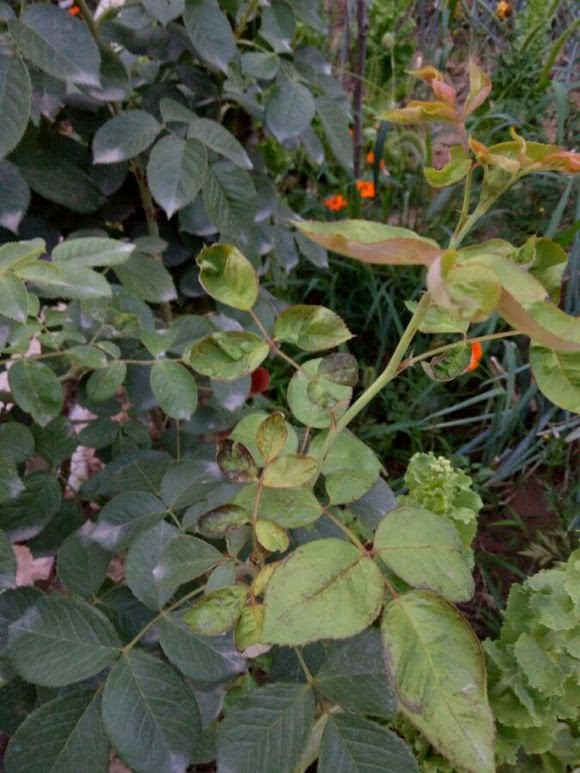
Roses are probably old friends to many flower lovers. With the weather now blazing sun one moment and torrential rain the next, and roses being famous as medicine guzzlers, all sorts of diseases pop up right after such a battering. Yesterday a rose lover left a message and attached photos. Take a look at these leaves. What do you think at first glance is causing the curled leaves?
At first glance, don't you think it's caused by fertilizer burn? The new leaves are slightly curled, with reddish-brown color, and will gradually wither. Let's look at the photos of fertilizer burn; the first impression from the 2 photos is fairly similar. When I first saw it, I also thought this should be fertilizer burn, then I kept talking in depth with the flower lover, and judged wrongly, it turned out to be thrips.
Thrips are also one of the common pests and diseases of roses. They generally lodge on tender leaves, causing the tips to die and preventing growth. If they feed on the back of the leaves and also excrete brown matter, it will deform the back of the leaves, and gray-white or gray-brown stripes will also appear on both sides of the midrib, deforming and bending. This can still be seen from the photos.
How to treat it? Pesticides can be sprayed for treatment, choosing those containing active ingredients such as imidacloprid, acetamiprid, and thiamethoxam. But use them according to the instructions. This flower lover mixed the pesticide too concentrated, which is why the curled leaves in the first photo appeared, looking like fertilizer burn.
How to fertilize roses in summer? First is the choice of fertilizer. Summer weather is hot, and roses do not absorb nutrients so well. If chemical fertilizers are chosen, what the roots cannot absorb will easily cling to the root surface, causing root rot. So in summer it is best to choose a good liquid fertilizer.
Huadongde rose-specific organic nutrient solution is purely plant-fermented, and its effect is the same as rotting branches at home. Roses absorb it relatively well. Long-term use can improve the disease resistance of roses. For pests and diseases, prevention is still greater than treatment. Once they really get sick and you treat them, it is too late, and sometimes they still cannot be cured.