What are the methods for distinguishing pulmonary bullae from pyopneumothorax
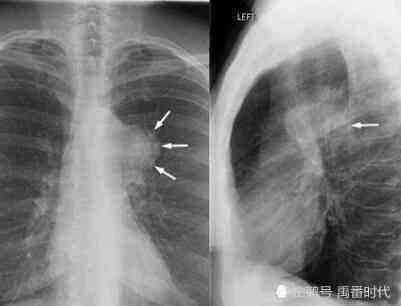
Pulmonary bullae have been discussed and shared quite a lot earlier, so they are fairly familiar by now, but pulmonary bullae, lung abscesses, pulmonary cysts and the like do not appear intuitively before people; their symptoms and manifestations are extremely similar, and even when X-ray contrast imaging or CT scanning is used, misdiagnosis is still often likely within a certain period or depending on the level of experience of the examiner. Therefore, more testing methods are needed, and an accurate diagnosis can be made only after comprehensive data analysis is obtained.
Pulmonary bullae
For example, for patients with pyopneumothorax, performing thoracic puncture and further determining whether the total white blood cell count and neutrophils in the extracted pus are increased, and whether there are toxic granules, is crucial for confirming pyopneumothorax. For example, if examination of the extracted pus shows increased neutrophils, combined with the total white blood cell count in the blood, it can be determined whether it is pyopneumothorax. If toxic granules are also found in the pus examination, it indicates that the pyopneumothorax is already very severe.
After confirmation of pyopneumothorax, direct smear examination of pleural effusion and bacterial culture are needed, which can determine the specific pathogenic bacteria or virus. The most common is pyopneumothorax caused by Staphylococcus aureus, followed by Legionella, Mycoplasma, Klebsiella, pneumococcus, etc. In terms of symptoms and manifestations, dyspnea is common; on X-ray contrast imaging and auscultation there will be pleural effusion or pneumothorax, with widened intercostal spaces, displacement of the mediastinum, trachea, and cardiac dullness border to the opposite side, and phenomena such as a large dense shadow on the affected side, a large area of dullness, and markedly reduced breath sounds.
Pyopneumothorax
As for the symptoms of pulmonary bullae and pyopneumothorax, if one has a certain amount of professional knowledge, a certain degree of accuracy can also be achieved, and ordinary patients should seek medical attention promptly. If it is severe pneumothorax such as high-pressure pneumothorax (tension pneumothorax) formed or occurring after surgery, it has long been listed as a medical emergency and can cause severe respiratory and circulatory impairment. Even with continuous air extraction, the pressure will rise again before long, and severe hypoxia or shock can occur, which can be said to be not uncommon.
If you have questions or need help, you can call 01062170649 13269852331