Cultivation Techniques for Deutzia grandiflora: Propagation Methods and Pest and Disease Control
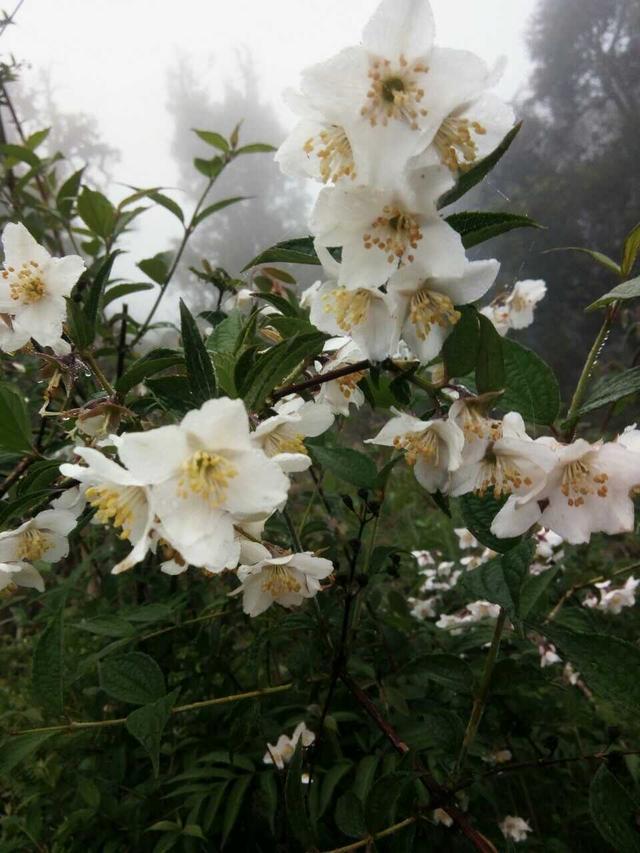
Cultivation Techniques for Propagation and Pest and Disease Control of Deutzia grandiflora
Propagation
Sowing propagation: After the seeds mature in autumn, harvest them, dry them, remove the seed husks, and eliminate debris to obtain pure seeds; after the seeds are sun-dried, refrigerate them. Sow in the following spring; soak the seeds before sowing; the sowing rate is 20 to 30 g per sq m. After sowing, cover with 1 cm of soil, and cover the bed surface with fine grass clippings or wood shavings, etc., to retain moisture and warmth and promote seedling emergence.
Cutting propagation: Softwood cuttings are generally used. In June to July, cut off young branches that are slightly lignified, cut them into cuttings about 15 cm long, keep 2 to 3 leaves on each, and insert them into a previously leveled seedbed; the spacing between plants and rows for cuttings is 10 cm x 20 cm. After cutting, immediately water thoroughly once, then cover with plastic film, and set up a frame above the seedbed with a curtain for shade. After cutting, water once a day to keep the seedbed moist. When the temperature is high at noon, lift a corner of the plastic film at both ends of the seedbed to prevent the temperature inside the bed from getting too high.
Root division propagation: Deutzia grandiflora can be propagated by digging out root suckers and transplanting them. In order to obtain more and better suckers, increase fertilizer and water management for the mother trees of Deutzia grandiflora that produce suckers, which can also achieve the expected results. The specific method is to dig a trench 30 to 40 cm deep along a line 50 to 100 cm from the mother tree of Deutzia grandiflora, evenly apply 25 kg of decomposed farmyard organic fertilizer into the trench, and cover it with the original soil; in the following year there will be many suckers for division planting.
Cultivation
Planting time: Transplanting can be done in spring or autumn, but in North China late autumn and early winter are better than spring, as it is easier for the plants to survive; large seedlings can be kept with native soil. When planting, apply decomposed compost to each hole, and pay attention to drainage during the rainy season.
Planting method: The tree hole for Deutzia grandiflora is 60 to 80 cm in diameter and 45 to 50 cm deep. Nitrogen-phosphorus-potassium compound fertilizer should be placed at the bottom of the hole, then backfill with planting soil, cover with soil and compact it, and water thoroughly once.
Water and fertilizer management: Deutzia grandiflora is relatively drought-tolerant and not tolerant of waterlogging, so it should not be watered too much. From spring bud break to the flowering period, it can be watered 2 times. In summer drought, it can be watered 2 to 3 times, and from autumn to before frost, it can be watered 1 to 2 times. Pay attention to drainage during the rainy season. In addition to applying 2 to 3 shovelfuls of decomposed compost per plant as base fertilizer at planting, no further topdressing is needed afterward.
Shaping and pruning: After the flowers fade, the spent flowers should be pruned off, and after leaf fall, remove dead branches, overly dense branches, and diseased branches. The small branches of Deutzia grandiflora have a relatively short lifespan, generally drying up after 1 to 2 years, so renewal pruning should be carried out in late autumn or early winter each year, that is, cutting off all the dried parts to encourage the lower dry branches to sprout new branches again. When pruning, also remove overly dense branches. After pruning, the plant will grow vigorously and produce more flowers the following year.
Pest and disease control
Deutzia grandiflora has relatively few pests and diseases, mainly aphid damage. When it occurs, spray one of the following on the leaves: 1.2% veratrine-nicotine emulsifiable concentrate at 800 to 1000 times dilution, or 6% imidacloprid emulsifiable concentrate at 3000 to 4000 times dilution, or 5% acetamiprid emulsifiable concentrate at 5000 to 6000 times dilution.