Pay attention to these points when watering flowers in summer to avoid killing them
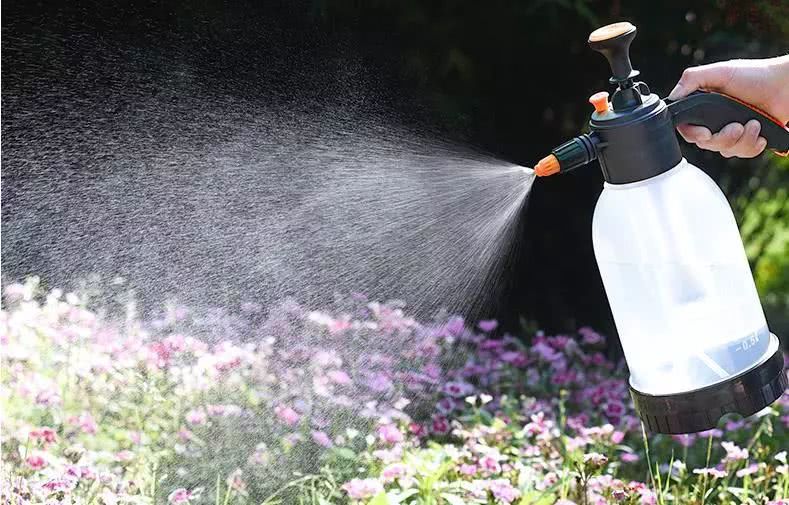
Watering is a basic requirement of growing flowers, but because it is simple and easy to do, or because people are busy with other things, many flower growers do not pay much attention to it. They either treat the flowers as a "leftover-water recycling bin," or they do not remember to water them until who knows how long has passed, then just fill a kettle with tap water and pour it on. Little do they know that this way of watering can cause very serious consequences! It is now the height of summer under a blazing sun, so the author would like to offer a few points to note about watering flowers in this season:
First: Learn to tell whether a plant lacks water
In fact, growing plants is a lot like raising a child; both need frequent attention. For example, take more time to check whether your flowers and plants have yellowing, withered leaves, whether they are wilted and lack vigor, and whether the soil in the pot has dried and cracked, especially in summer, when water evaporates very quickly, so you must pay even more attention. If the above conditions appear, it is basically a signal that the plant lacks water.
Second: Grasp the timing of watering; do not water whenever you feel like it
Here everyone should be reminded that when you find a plant lacks water, do not rush to water it immediately. The scientific approach is to first find a shady place and put the plant there for a while to cool it down, and then water it. Otherwise, if the temperature changes too quickly and the plant roots cannot adapt, it will be very difficult for it to survive. Furthermore, the ideal times to replenish water for plants are usually early morning (before 8 o'clock) and evening (after 8 o'clock). If you water at noon, when the temperature is highest, then just as was said, the plant cannot adapt for the moment and instead gets damaged by the watering.
Third: The water used for watering flowers needs to be sunned
Generally, freshly drawn tap water has a low temperature, and the cool water differs greatly from the temperature in the flower pot warmed by sunlight. If it is not left to stand in the sun and is used directly to water flowers, not only will it not be effectively absorbed by the plants (because plant roots, when suddenly exposed to low temperature, will protect themselves and refuse to absorb low-temperature water), but more of the plant's own water will be lost (although plants will defend themselves against low-temperature water, transpiration still continues), and the plants will wilt or even die.
Fourth: Create a cool summer refuge for plants
In summer, water evaporates quickly. In addition to replenishing water for plants in time, you also need to find ways to slow down the rate of evaporation. For example, do not let sunlight shine directly on the plants (you can put some dry grass in the flower pot to prevent strong sunlight), and at the same time sprinkle water around the plants to make the air less dry; both of these help the plants grow.
When growing flowers in summer, the most important things are to replenish water in time, water scientifically, and at the same time give the flowers and plants a cool and moist environment, so they can continue to bloom beautifully in midsummer and add a bit of freshness to life~