What to Do When Your Snake Plant Keeps Shrinking? A Few Tips to Keep the Leaves from Wilting and Make Them Grow Like Crazy
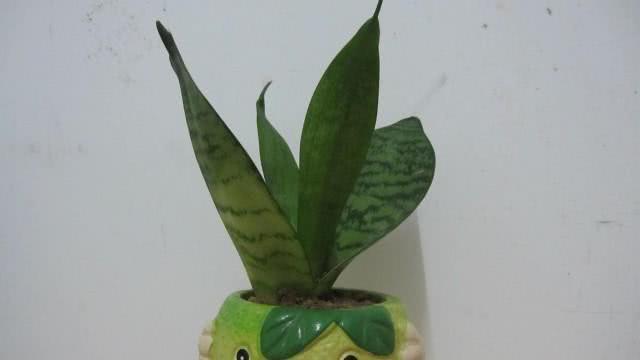
Proper fertilizing: Because nitrogen and potassium fertilizers can make snake plant leaves thick and broad, choose a compound fertilizer and apply it 1-2 times a month. Suitable light: Do not let it be exposed to strong light; give it 2-3 hours of weak light every day in the morning or evening. Proper watering: Water only when the soil is dry, and avoid waterlogging that makes the leaves shrivel and turn yellow.
1. Proper fertilizing
Snake plants are not demanding about soil and can tolerate poor, barren soil and cold, shady conditions, but a lack of nutrients will also make them dry out, become thin and weak, and develop yellow, narrow leaves. During the vigorous growth period, you can fertilize it 1-2 times a month, using only a small amount each time. You can choose a compound fertilizer; nitrogen fertilizer can make the leaves dark green, broad and thick, while potassium fertilizer can make the leaf stems sturdy.
2. Suitable light
It is a plant that tolerates shade and dry conditions, but if it grows in a place without light for a long time, the leaves easily turn yellow, dry up and become narrow. It should be moved to a bright spot for at least 2-3 hours every day, which helps the plant's photosynthesis, promotes the synthesis of nutrients, and makes the leaves grow better. Be careful to choose the morning or evening, when the light is weaker, for sun exposure, and provide shade or shelter at noon and other times when the sun is scorching.
3. Proper watering
Water in time to give the leaves the necessary moisture for growth, but be careful to control the amount of water when watering. If water accumulates in the pot, it will cause root rot, soggy roots and similar problems; if you have watered too much, you can move the potted plant to a ventilated place and prop up the pot to speed up water evaporation.