A Few Tips to Encourage Pansies to Bloom
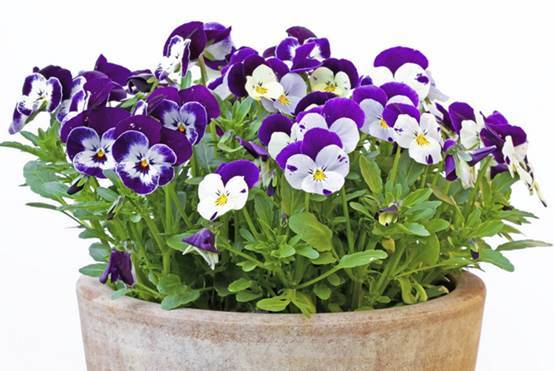
With minimal care, pansies grown in containers will produce colorful flowers before most plants even begin to sprout. Use them to fill window boxes and patio pots, or plant them in pots on porches or entryways. People usually grow pansies as annuals and biennials, but they are actually short-lived perennials in USDA plant hardiness zones 6 to 10
Encourage More Flowers
Pick off dead and fading flowers from potted plants once a week. Find the spot just below the flower where it attaches, and gently pinch it off its stem with sterilized scissors or your fingernails. Removing flowers is a practice called "deadheading," which encourages more blooms by stopping the plant from putting energy into seed production.
Wash your hands with soap and water to avoid spreading plant diseases in your garden.
If you use scissors, sterilize the blades with a mild bleach solution. One part regular household bleach to three parts water is enough. Soak the blades for 5 minutes to let the solution kill pathogens, then rinse the tools with clean water. Let the trimmers air-dry in a ventilated spot.
Watering and Fertilizing
Water potted plants when the top 2.5 cm of soil feels dry to the touch. Pansies grow best in moist soil and will wilt if allowed to dry out completely. Also avoid overly wet, waterlogged soil, which suffocates the roots and will most likely cause pansies to droop.
Make sure every pot, container or window box has holes for drainage.
Potted pansies need biweekly fertilizer to bloom well. Mix 1 teaspoon of a liquid general-purpose plant food concentrate, such as a 12-4-8 formula, into 1 gallon of water. Every two weeks, use the diluted fertilizer instead of tap water to water the pansies' soil.
Managing Leaf-Eating Pests
Check pots, containers and window boxes for slugs and snails, which feed on the tender leaves and flowers of pansies. Pick these pests off the plants and destroy them. Slugs and snails usually appear in wet weather, so check after rain. If you see holes in your pansies but cannot find the culprit, inspect the plants by flashlight after dark, because slugs often feed at night. Apart from slugs and snails, pansies rarely have pest problems.
Understanding Heat and Summer Burnout
Temperature affects potted pansies. Pansies thrive when nighttime temperatures are between 4.4°C and 18.3°C. They can tolerate daytime temperatures up to 23.9°C. However, when the weather is hot, no amount of watering or shade can stop them from burning, wilting and drooping. In areas with mild winters and hot summers, pansies can be grown from fall to early spring. In areas with hot summers and cold winters, they thrive in spring and fall.
In summer, when they begin to wilt from the heat, replace them with more heat-tolerant flowering plants to avoid wilt.
Identifying and Managing Leaf Spot
Caring for potted pansies sometimes means dealing with leaf spot on pansies. Spots on the leaves are symptoms of a fungal infection, appear black or brown, and may look greasy.
When buying plants, check them for leaf spot so you do not introduce a fungal infection to your plants. When you water your pansies, spray the water on the soil and keep the leaves dry. Use new potting soil when planting rather than reusing last year's soil, and wash pots with hot water and soap at the end of each growing season.
Throw away pansies with symptoms of fungal leaf spot and replace them with healthy plants.