How to care for roses after June? Master these two techniques
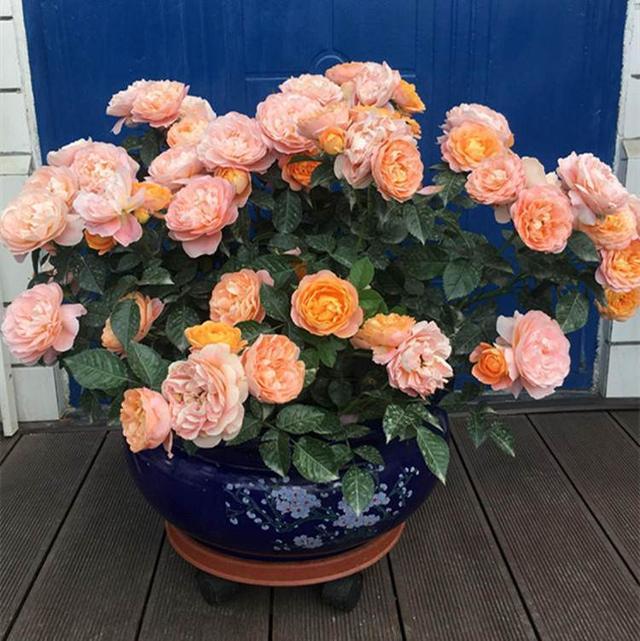
After June, the days that follow are the plum rain and scorching sun period. So, how do you avoid the damage that plum rain and scorching sun cause to roses? Actually, you just need the "two tricks" below.
First: pay attention to preventing water shortage
For potted rose seedlings that are prone to water shortage, gardeners should repot them before midsummer arrives. When growing roses in pots, what needs special attention is water shortage in summer. Just two or three instances of new shoots slightly wilting will cause the rose's root system to be damaged and suddenly wither. So you need to observe the condition of the roses and water them frequently.
This is especially true when the pot is on the small side relative to the plant, making water shortage more likely. Therefore, for rose plants that were not repotted during the plum rain season, if they are obviously too dry after the plum rain season ends, they need to be moved into a pot one size larger without breaking up the root ball, to prevent water shortage in the days ahead.
In addition, in summer, when watering roses, gardeners will have a question: can you only water in the morning? Actually, watering should be done in the morning before the temperature rises. But if you forget to water in the morning and the rose's new shoots and flowers have already wilted, then even at noon you should water decisively.
In this case, if you still insist on waiting until morning to water, you would be putting the cart before the horse. Watering at noon can drive the heat out of the rose pot and replace it with fresh water, so be sure to water thoroughly. Watering in the evening will cause the plant to grow leggy, so it should be avoided as much as possible; generally, do not water after 3-4 pm.
In addition, in midsummer, when watering roses, the water remaining in the hose will be relatively hot, so you need to test the water temperature with your hand before watering. Before watering, you also need to check the water shortage status of the rose's new shoots and flowers. Symptoms of water shortage first show at the tips of the branches; if the new shoots and flowers wilt, that is a sign of water shortage. You need to water thoroughly immediately.
When watering at this time, you can also appropriately supplement nutrients for the roses. Gardeners can use an organic liquid fertilizer specially made for roses, dilute it 500 times, dissolve it in water, and apply fertilizer together with watering; the roses will absorb it faster and grow more robustly.
Second: pay attention to preventing heat stress
The advantage of potted roses over ground-planted ones is that they can be moved according to the situation. Especially for varieties with poor heat tolerance and relatively delicate varieties, you can move the pots to a place where it is easy to get through summer, or make some adjustments to the placement location to prevent extreme heat.
Generally there are 2 ways to prevent extreme heat for roses: one is to put down a wooden board rack. Place the rose pots on the wooden board rack, and even delicate roses can easily avoid the summer heat. The wooden board rack can prevent heat from radiating back up from the ground and also improves air permeability, keeping the rose pots cool.
The other is to provide shade. Although roses are light-loving plants, in midsummer the direct light from 11-16 o'clock is still too strong for roses. For locations with strong light in the afternoon, you need to put up a shade net to create a comfortable summer space for the roses.
In addition, in summer the walls also heat up, so you should try to keep the rose pots away from the walls and leave a passage for ventilation. Conversely, in winter, keeping close to the wall can provide cold protection.