A Complete Analysis of Key Techniques for Modern Cultivation of Atractylodes lancea
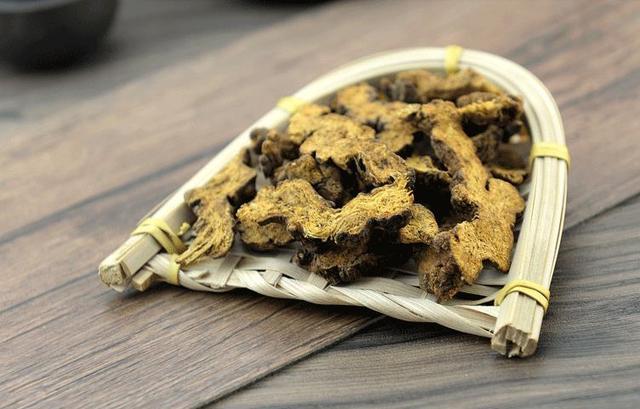
Key Techniques for Modern Cultivation of Atractylodes lancea
Atractylodes lancea is a perennial herb of the genus Atractylodes in the Asteraceae family. It is a medicinal herb variety with promising prospects and is worth developing vigorously.
1. Seed selection. Select plump, mature Atractylodes lancea seeds; no seed treatment is needed, and direct sowing can be done.
2. Selection of cultivation plots. Atractylodes lancea can be grown in ordinary soil, but sandy loam that drains well, is loose, and is rich in humus is best.
3. Fertilization and land preparation. Before sowing, apply 2500 kg of manure or barnyard manure and 50 kg of NPK compound fertilizer per mu. After spreading the fertilizer, plow deeply 25-30 cm, then level and harrow finely, and make beds 1.2-1.5 m wide; the length can be determined as needed.
4. Sowing and raising seedlings. Direct seed sowing can be used, or seedlings can be raised and transplanted, or rhizome propagation can be used. Because Atractylodes lancea seeds are scarce and expensive, the method of raising seedlings and transplanting is generally adopted. (1) Direct sowing: from late March to early April, use the drill sowing method, open furrows at a row spacing of 20-25 cm and a furrow depth of 2 cm, evenly scatter the seeds into the furrows, then cover with soil and rake level. A special seeder for Chinese medicinal materials can also be used; adjust the width and depth well, and furrow opening, sowing, soil covering, and compaction are completed in one step. Use 2 kg of seed per mu. Water after sowing; if the soil is moist, watering is not necessary.
(2) Raising seedlings and transplanting: after plowing and harrowing the seedling plot finely, make beds 1.0-1.5 m wide and 5-6 m long. Sow at a row spacing of 10-15 cm and a furrow depth of 2 cm, cover with soil and rake level, pay attention to watering, and keep the field moist. Use 5-6 kg of seed per mu, which can transplant 6-7 mu of land. In early spring of the second year after sowing, dig out the rhizomes as a whole and transplant them into the prepared field. (3) Rhizome propagation: in March-April or September-October, in combination with harvesting, dig up the rhizomes, shake off the soil, cut the rhizomes into small pieces, leave 2-3 buds on each small piece, and then plant them in the prepared cultivation beds at a row spacing of 27-30 cm and a plant spacing of 15 cm. After covering with soil, water; use about 80 kg of rhizomes per mu. After spring sowing and watering, once the ground surface is slightly dry, spray the closed herbicide pendimethalin [Jishan Huayao], which can effectively control annual grass weeds and some broadleaf weeds.
5. Field management. (1) Thinning and final singling: after raising seedlings in the seedling plot and after transplanting to the field, thinning is not needed; direct-sown plants need thinning. Atractylodes lancea should be dense rather than sparse; when the seedlings are 5-6 cm tall, thinning once is enough, as long as they are not crowded. If there are missing plants, fill them in promptly. (2) Cultivation and weeding: after Atractylodes lancea emerges, whether from seedling transplanting or rhizome propagation, loosen the soil and weed promptly to promote root extension and benefit the growth of Atractylodes lancea seedlings. A weeding machine for Chinese medicinal materials can be used to loosen soil and weed. When Atractylodes lancea seedlings are 10 cm tall, the post-emergence herbicide specially for Atractylodes lancea medicinal materials, "Jishu Caoqing", can be sprayed, which can remove most weeds. If a closed herbicide was already sprayed before Atractylodes lancea emergence, then spraying the special herbicide once more in this way means that basically the entire growth period of Atractylodes lancea will not suffer weed damage, and it will not affect the growth of Atractylodes lancea. (3) Topdressing: during the seedling stage of Atractylodes lancea, apply 2000 kg of dilute human and livestock manure water per mu, and in June-July apply 15 kg of superphosphate. A seeder for Chinese medicinal materials can be used for topdressing; after fertilizing, cover the soil directly, which can increase fertilizer efficiency. Pay attention to watering after fertilizing. During the rainy season, pay attention to drainage to prevent lodging and root rot. (4) Removing flower buds: whether direct-sown or raised and transplanted, except for those kept for seed, the flower buds of Atractylodes lancea must all be removed so that nutrients are concentrated in the roots and root growth is promoted. A flower bud inhibitor can also be sprayed to inhibit flowering. (5) Yield-increasing measures: appropriate close planting; spray rhizome swelling hormone in mid-September, and the yield increase effect is obvious.
6. Pest and disease control. (1) Root rot: this disease often occurs in the rainy season, causing root rot. The plant's ability to absorb water and nutrients gradually weakens, and finally the whole plant dies. Control methods: during the rainy season, pay attention to ditching and drainage; immediately pull out diseased plants, then spray with 50% Tuzet wettable powder 1000-fold solution, or 50% Topsin 800-fold solution. (2) Aphids: aphids mainly damage leaves and tender shoots, and can be controlled by spraying 50% fenitrothion emulsion 1000-fold solution, or 50% pirimicarb wettable powder 3000-fold solution.
7. Harvesting. For those sown from seed, harvest the rhizomes 3 years after sowing; for those propagated from rhizomes, harvest 2 years after planting. Dig from after autumn to before emergence in spring, and choose a sunny day when digging. After the leaves of Atractylodes lancea wither, a stem and leaf cutter can be used to cut off the stems and leaves, then a tractor plow can be used to dig the roots, or large machinery can be used for digging. Fully mechanized operation saves time and labor compared with manual digging, and the roots are intact and undamaged. Generally, the yield is 1200-1500 kg of fresh product per mu, and 340-420 kg of dry product per mu.