How to prevent pomegranate fruit cracking? Practical measures for northern regions
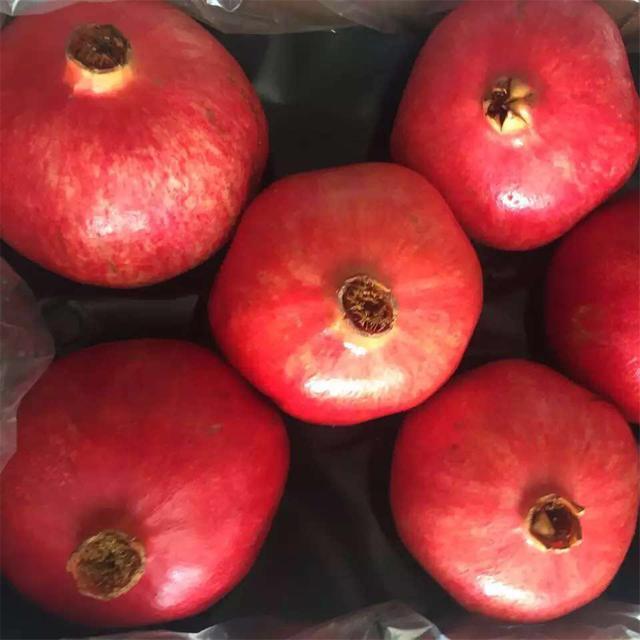
Preventive measures for pomegranate fruit cracking in northern regions
1. Select cracking-resistant varieties
Promoting excellent cracking-resistant pomegranate varieties is the fundamental way to solve pomegranate fruit cracking. In production, the new pomegranate variety "Qiuyan", which has outstanding cracking resistance, can be selected.
2. Establish the orchard rationally
An important cause of pomegranate fruit cracking is rain before harvest. In northern regions in August-September, pomegranate fruits enter the late stage of development. If rain occurs after a relatively long period of drought, fruit cracking is very likely to occur. To address the problem of uneven rainfall, protected cultivation can be considered when establishing the orchard, building steel-frame greenhouses (which can be multi-span). In August-September, when long droughts followed by rain are likely, covering the greenhouse in a timely manner can reduce the occurrence of pomegranate fruit cracking. A single greenhouse span is 8-9 m, so 3 rows of pomegranate trees can be planted. The highest point of the arched greenhouse is 3.0-3.5 m and the lowest point is about 2.5 m. This structure can minimize the impact of the greenhouse film on tree growth and improve the utilization rate of the space inside the greenhouse [Jishan Huayao].
3. Strengthen management
(1) Fertilization. Increase the application of farmyard manure, reduce the application of nitrogen fertilizer, and supplement with foliar fertilizer. In autumn, apply an additional 10-15 kg of farmyard manure per pomegranate tree and apply less nitrogen fertilizer. During the fruit expansion period, spray the leaves with a 0.3% potassium dihydrogen phosphate solution or a 0.15% calcium chloride solution, once every 7-10 days, for 3 consecutive sprays, which can significantly enhance the fruit toughness of pomegranates after ripening.
(2) Irrigation. If there is a long drought without rain, irrigation should follow the principle of "small amounts, balanced, and multiple times." During the young fruit stage, irrigate once every 10-15 days. As the rainy season approaches, gradually increase the number of irrigations to raise the air humidity in the orchard, enhance the adaptability of the fruit peel to high-humidity conditions, and prevent fruit cracking. When the fruit is nearly ripe, stop irrigation. When water accumulates in the soil, drain it promptly to prevent excessive soil moisture content from causing fruit cracking.
(3) Apply growth regulators. During the young fruit stage of pomegranate, spray the leaves with a paclobutrazol solution at a concentration of 300 mg/L; during the late fruit development stage, spray with a gibberellin solution at a concentration of 25 mg/L, which can significantly reduce the fruit cracking rate of pomegranates.
(4) Fruit bagging. Bagging helps prevent fruit cracking, prevent diseases and pests, increase the smoothness of the fruit surface, and improve the commercial value of the fruit. The specific operation method is as follows: during the young fruit stage, use 20 cm x 23 cm double-layer special fruit bags for bagging. Before bagging, spray the whole tree once with a mixture of 80% mancozeb 800 times and 20% fenvalerate EC 2000 times to kill diseases and pests on the fruit. Remove the bags about 15 days before harvest to promote fruit coloring.