Always fail at keeping flowers? It turns out you've been watering them wrong all along
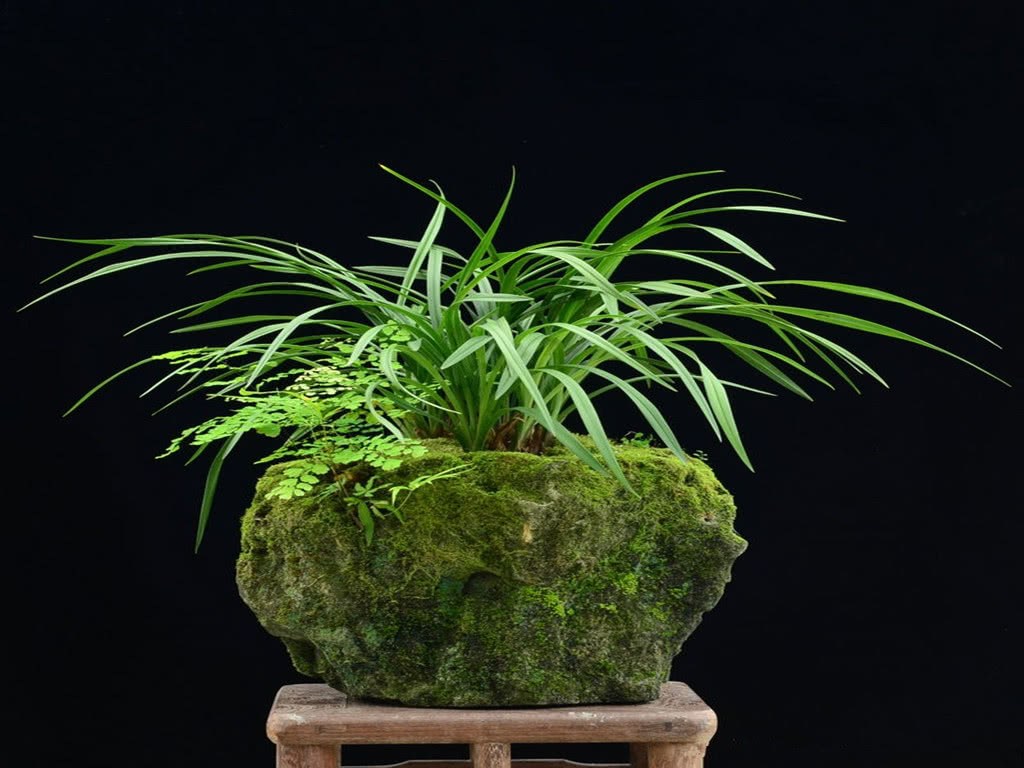
You love growing flowers but just can't keep them healthy, and watering alone stumps a huge number of people - it turns out they've been doing it wrong all along!
Growing flowers not only decorates your cozy environment, but is also a way to cultivate character, calm the mind, and refine your tastes. However, keeping flowers well is not something achieved overnight - you must have a bit of patience. In fact, if you follow conventional methods and master the basic knowledge of flower care, your plants are still not likely to die easily.
In the process of caring for flowers, there is one headache-inducing issue, and that is watering them. Because of the differences in varieties and characteristics among various flowers, people just can't get the measure of watering right. Some people always think that only when flowers and plants drink enough water can they grow faster and better, not realizing that this practice harms the plants themselves.
In fact, no matter what kind of plant it is, there is no need to water flowers and plants every day, because overwatering will cause the plant roots to rot. So watering also requires mastering certain methods, and you need to learn to judge the dry and wet state of the potting soil and whether the flower's nature is drought-loving or water-loving. Next, I will share with you some tips for watering flowers and plants when caring for them.
When watering flowers and plants, water evenly along the edge of the pot, and take special care not to let the plant remain in a half-dry, half-wet state for long, as this is not good for the plant's growth. When is the best time to water?
Usually, if we notice cracks appearing in the soil at the edge of the pot, this is a sign that the potting soil is dry. If the potting soil appears dark brown with no cracks, it is a sign that the soil is wet. Also, the choice of water quality is crucial. Another way to tell whether the potting soil is dry is to use a toothpick to test the dryness and moisture of the potting soil, so as to determine whether watering is needed.
Usually, it is not advisable to use tap water for watering, because tap water contains a large amount of disinfectant substances, which will have a negative effect on the growth of flowers and plants. It is not suitable for watering flowers immediately. When choosing water for watering flowers, the best choice is river water, rainwater, and the like, because they contain various mineral elements that can provide the necessary nutrients for flowers and plants.