Pour a little of this into the flower pot every day, and the potting soil becomes loose with plenty of nutrients, plants bloom fast and roots do not rot
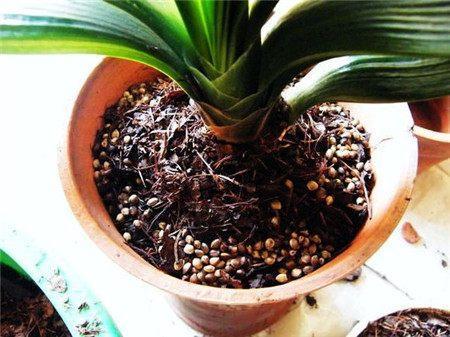
There is a lot to learn about growing flowers, and many people put all their focus on fertilizing and watering. In fact, the soil is also very important. A good nutrient-rich soil is extremely beneficial to plant growth. But after growing flowers for a long time, the soil in the pot inevitably becomes poor in nutrients, and may even become compacted and crack. When that happens, it is not good for the plant's growth and flowering.
When it comes to solving compacted potting soil, many people naturally think of watering. In fact, watering can only ease the compaction, it cannot make the potting soil loose and airy. Next, we will share a little trick that we hope can help everyone.
The specific method:
Go to a garden or a forest, find a shovel and dig up some leaf mold soil, put it in a bag and bring it home, first leave it in the sun for a day, then put the sun-dried leaf mold soil into a bucket, pour in tap water and stir it. Use plenty of water. After stirring, let it sit for three hours. The liquid after standing is the best fertilizer for us to water the flowers with.
This liquid contains leaves, dead branches, trace minerals from the soil itself and many other nutrient impurities, which is very beneficial to plant growth, and the roots absorb it very quickly.
Besides using leaf mold soil, you can also collect some pine needles outdoors and place the pine needles at the bottom of the flower pot, which also has an air-permeable and water-permeable effect. Many flower lovers have no choice but to buy pine needles because they cannot find them, but most people who have tried it find that using pine needles at the bottom of the flower pot is very useful, especially for plants like spider plant (Chlorophytum comosum) and clivia (Clivia miniata). This way, even if the spider plant and clivia are watered too much, the roots will not rot from lack of oxygen.
There is another fairly practical way to solve compacted potting soil, though it is a bit more troublesome, and that is to change the pot frequently.
Repotting is generally done in spring and autumn each year. This is especially true for plants such as clivia (Clivia miniata), spider plant (Chlorophytum comosum), money tree (Pachira aquatica) and pothos (Epipremnum aureum), because their root systems are very developed, and if they are not repotted for a long time, it is very easy for the potting soil to lose nutrients and dry out. When repotting each year, mix some nutrient soil yourself, so you can control the nutrients yourself, which is naturally beneficial to the plant's growth and flowering. In addition, repotting more often also lets you observe the condition of the plant's roots, and if there is root rot, you should cut it off immediately and apply carbendazim to disinfect it.
If spider plant is not repotted, it will grow like this:
If clivia is not repotted, it will grow like this:
Just as a flower lover said in a message to me, growing flowers is also a skill.
In the vast world, there are thousands of kinds of flowers and plants, but the ones you can really grow at home are just those few common plants. Every time you go to the flower market, you will find that apart from common potted plants such as clivia (Clivia miniata), cymbidium (Cymbidium hybridum), anthurium (Anthurium andraeanum), lucky bamboo (Dracaena sanderiana), pothos (Epipremnum aureum), kalanchoe (Kalanchoe blossfeldiana), camellia (Camellia japonica) and so on, there are no new varieties year after year.
Growing flowers is also cultivating the mind. Over time, you will get better and better at it.
That is all for today's flower-growing knowledge, thank you for reading!
If you like it, remember to like and share it