One sentence from an old flower grower to successfully grow 20 common flowers - every pot you grow will burst with blooms, simple and easy to learn
Flower lovers often say they can't grow flowers well and always end up making donations to the flower shop. Actually, growing flowers isn't that hard. Here are 20 common flowers, let's take a look!
“
One sentence for growing flowers"
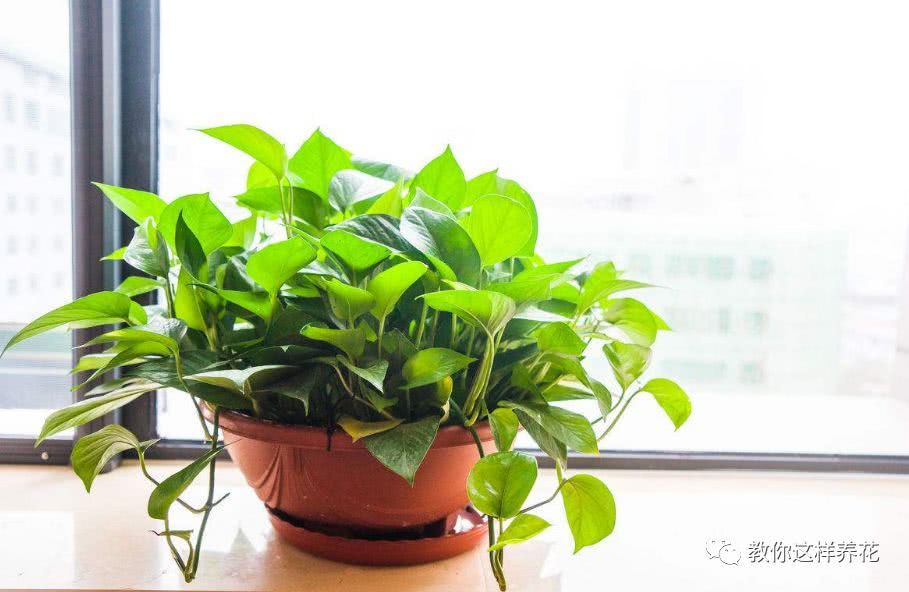
- Pothos -
The most important requirement for pothos is good drainage in the potting soil. A little more or less water, stronger or weaker light, none of it matters much. Pothos is usually grown in a mix of coconut coir and peat soil as the growing medium, which is both breathable and easily drains excess water, so pothos roots don't rot easily. For watering, just water when the soil is dry and let it dry out between waterings. Place it in a bright spot for care. If you have fish at home or have rice-washing water, you can water it with a little periodically, and it will grow very well.
- Clivia -
Clivia has fleshy roots and is afraid of moisture and waterlogging. It should generally be grown in loose, breathable materials like leaf mold and pine needle soil. For watering clivia, wait until the potting soil is dry, then water thoroughly. After clivia forms flower buds, you can water a bit more. Generally fertilize once every 15-20 days, mainly with phosphorus and potassium fertilizer, and you can fertilize together with watering. Place it in a spot with scattered light for care, and in summer be careful to shade it from direct strong sunlight.
- Anthurium -
Note that when growing anthurium, the potting soil must be breathable and well-draining. You can use leaf mold and peat soil mixed with a small amount of perlite. Anthurium is quite sensitive to temperature, especially low temperatures. The optimal temperature is 18-28°C, the maximum temperature should not exceed 35°C, and the minimum temperature is 14°C. Below 10°C there is a risk of cold damage at any time, so pay attention to keeping it warm in winter. Water when the soil is dry and let it dry out between waterings, and place it in a spot with scattered light for care.
- Peace Lily -
For peace lily, choose loose and breathable potting soil. You can use a mix of coconut coir, peat, and leaf mold as the growing medium. Peace lily likes a humid environment. You can water when the soil is dry and let it dry out between waterings, but do not let water accumulate. In summer, you can also spray some water mist on the leaves to increase humidity and prevent dry tips caused by dryness. You can fertilize once every half month, which helps peace lily bloom. Be careful not to place it in a spot with too strong light, as it will make the flowers fade to green. Placing it in a bright spot for care is enough.
- Spider Plant -
When growing spider plants, pay more attention to air humidity. Generally, just place it in a bright spot or one with scattered light for care. Choose loose and breathable sandy soil as the growing medium. You can water when the soil is dry and let it dry out between waterings. In summer, you can also spray water on the leaves or the ground around the pot to lower the temperature and increase air humidity. Normally fertilize 1-2 times a month. Lack of fertilizer can easily cause dry tips and scorched leaves.
- Kalanchoe -
During the care of kalanchoe, note that it must not lack light. Kalanchoe likes a warm environment with sufficient light. Normally place it in a spot with plenty of sunlight for care, ensuring at least 4 hours of direct sunlight per day. However, you can avoid the midday sun in summer to prevent sunburn. Rotate the pot once every half month so the kalanchoe receives sunlight evenly. For normal watering, do not water until dry, and water thoroughly when you do. It likes fertilizer, so fertilize once every half month. During the seedling stage, mainly use nitrogen fertilizer; before budding, mainly use phosphorus and potassium fertilizer; during the flowering period, you can also apply a 0.2% potassium dihydrogen phosphate solution once a month.
- Rose -
Growing roses in the ground is relatively easy, while growing them in pots is a bit more work. Roses like fertile and moist soil conditions. You can use a mix of leaf mold, peat, perlite, and garden soil as the growing medium, and mix in an appropriate amount of base fertilizer (bone meal, slow-release fertilizer, etc.). Most rose varieties require sufficient sunlight, with the best daily light duration not less than 5-6 hours, otherwise the branches and leaves tend to become weak and the leaves turn yellow. For watering, generally judge by the condition of the potting soil: do not water until dry, and water thoroughly when you do. During the bud and flowering stages, you can water slightly more. Roses quite like fertilizer. Generally fertilize once a week. Normally you can mainly use a balanced nitrogen-phosphorus-potassium water-soluble fertilizer, and before flowering mainly use phosphorus and potassium fertilizer.
- Aloe -
Aloe is simple to care for and can adapt to ordinary potting soil, with loose, well-draining potting soil being best. You can place it in a spot with sufficient light for care, which is good for aloe growth. For normal watering, let it dry completely then water thoroughly. Never water too much or let water accumulate. Its water and fertilizer requirements are both relatively low, so generally fertilizing once a month is enough. In summer, shade it appropriately. Too strong light will turn the leaves grayish-white and then sunburn them.
- Pennywort -
During the care of pennywort, it must not lack light. Place it in a spot with sufficient sunlight for care. The best way to grow pennywort is semi-soil semi-water, using a little garden soil and filling half with water. Pennywort fills its pot very quickly in a semi-soil semi-water environment. Give it as much sun as possible. In summer, pay attention to the water temperature, and it's best to shade it appropriately at midday too. Be careful not to let the water run out.
- Snake Plant -
Snake plant has low requirements for soil and light, and can adapt to being placed in various corners of the home. However, note that snake plant has weak roots and is prone to root rot, so water by letting the soil dry completely then watering thoroughly. It is fairly shade-tolerant, but it will look more beautiful when cared for in a spot with sufficient sunlight, especially the golden-edged snake plant, whose colors will be more vivid.
- Gardenia -
Gardenia is a fairly typical acid-loving plant. Generally use a mix of leaf mold, peat, and coarse sand as the growing medium. If you have mountain soil, you can use that too. Gardenia likes moisture. For normal watering, water when the soil is dry and let it dry out between waterings. Do not let water accumulate, and do not let it get too dry, otherwise it easily drops leaves. Along with watering, you can apply a 0.2% ferrous sulfate aqueous solution about once every 20 days, which can increase soil acidity and also supplement iron to prevent chlorosis. Normally place it in a spot with sufficient sunlight for care. Too much shade is not good for growth and flowering.
- Bougainvillea -
During the care of bougainvillea, there are two things to note. First, it requires sufficient sunlight, and it is best grown under full sun. Second, it is sensitive to low temperatures. If the minimum temperature drops below 8°C, cold damage will occur. Bougainvillea has well-developed roots and low soil requirements. Loose, well-draining sandy soil is enough. Bougainvillea is relatively drought-tolerant. For normal watering, follow the principle of "do not water until dry, and water thoroughly when you do." One month before flowering, you also need to stress it a bit: wait until the potting soil is dry and the branches and leaves droop softly before watering, which helps flower bud differentiation and formation. Generally fertilize once every half month, mainly with phosphorus and potassium fertilizer.
- Cactus -
Cactus is simple to care for and has very low water and soil requirements. Generally choose calcareous sandy soil with good drainage and breathability for care. Do not use too much fertilizer; overly fertile soil easily causes root rot. Cactus is very drought-tolerant, so generally let it dry completely then water thoroughly. It requires sufficient light. Cactus likes sun, and especially needs sufficient light to bloom. You can grow it under full sun, and it does not need shading in summer either.
- Jasmine -
Jasmine likes warmth and humidity, and grows best in a well-ventilated environment. For normal watering, water when the soil is dry and let it dry out between waterings, but do not let water accumulate. Jasmine is not shade-tolerant. With sufficient light, the branches are less likely to grow leggy, and the flowers will be more numerous and more fragrant. Most jasmine varieties are sensitive to cold, so pay attention to keeping them warm in winter. Jasmine likes fertilizer. You can fertilize once every 7-10 days, and from the flowering period of June to September, frequently apply liquid fertilizer with higher phosphorus content. Jasmine likes an acidic environment. Apply a 0.2% ferrous sulfate aqueous solution about once every 20 days to keep jasmine leaves deep green and growing better.
- Camellia -
Camellia likes slightly acidic soil with relatively high humus content. It is best to choose loose, airy red soil mixed with leaf mold and peat soil as the growing medium. Camellia likes a humid environment. During the growing season, water when the soil is dry and let it dry out between waterings. Do not let water accumulate. In summer, you can also spray water on the leaves to increase humidity. During the stage of sprouting branches and leaves, apply nitrogen fertilizer or a mixed fertilizer mainly based on nitrogen, once every 10 days. During flower bud differentiation and flower bud formation, it is best to apply fertilizer mainly based on phosphorus and potassium.
- Petunia -
Petunia likes a warm environment with plenty of sunlight, is not tolerant of frost, and is afraid of waterlogging. Choose loose, fertile, and well-draining soil as the growing medium. During the growing season, water when the soil is dry and let it dry out between waterings, maintaining a certain soil moisture without water accumulation. In summer, also water in the morning and evening to ensure sufficient water supply. Normally place it in a spot with sufficient sunlight for care, and if conditions allow, you can also grow it under full sun. You can fertilize once a week. During the seedling stage, mainly use general-purpose fertilizer; after budding, you can apply 0.2% potassium dihydrogen phosphate fertilizer.
- Azalea -
Azalea is a typical southern flower that likes an acidic environment. It is best to choose well-draining, loose, fertile acidic soil. Azalea likes a humid environment, meaning moist but not wet, watering when the soil is dry and letting it dry out between waterings. In summer, water at least once a day, but do not let water accumulate. You can spray water on azalea leaves or mist the surrounding air to keep the surrounding air moist. Azalea is a shade-loving flower, so it is better to place it in a bright spot or in semi-shade for care. You can top-dress with fertilizer about once every 15 days. During summer high temperatures and winter low temperatures, it is not suitable to fertilize.
- Asparagus Fern -
Asparagus fern likes a humid, ventilated, semi-shaded environment. Use loose, fertile, well-draining sandy loam rich in humus. Water when the soil is dry and let it dry out between waterings. Normally place it in a spot with scattered light for care. In summer, pay attention to shading and ventilation, and also spray water on the leaves to lower the temperature and increase humidity. Avoid direct cold or hot drafts, otherwise the leaves easily turn yellow. You can fertilize once a month, and stop fertilizing during summer high temperatures and winter low temperatures.
- Cyclamen -
Cyclamen grows well in a cool environment. In summer it goes dormant, and the upper leaves wither. Cyclamen is a bulbous plant and is afraid of water accumulation, so it is better to grow it in loose, breathable soil rich in humus. After cyclamen goes dormant in summer, place the pot in a cool, ventilated spot. When the soil is relatively dry, water thoroughly to keep the bulb firm. It will sprout again in autumn. Normally it should be placed in a spot with sufficient light for care. For watering, do not water until dry, and water thoroughly when you do. You can water using the soaking method, which makes root rot less likely.
- Hydrangea -
Hydrangea likes a warm, humid, semi-shaded environment. In summer, it must be shaded and not exposed to strong sun. Use loose, breathable sandy soil as the growing medium. Water when the soil is dry and let it dry out between waterings. Do not let water accumulate. The leaves are large and evaporate a lot, so it easily wilts in summer, and water must be replenished in time. You can fertilize once every 1-2 weeks. After seeing flower buds, you can also apply some foliar phosphorus and potassium fertilizer to promote flowering.
These flowers are all flowers that we flower lovers commonly care for
Summer is here, so pay more attention to them
Show this to flower lovers who need it!