June hydrangeas are on stimulants, changing colors just like that
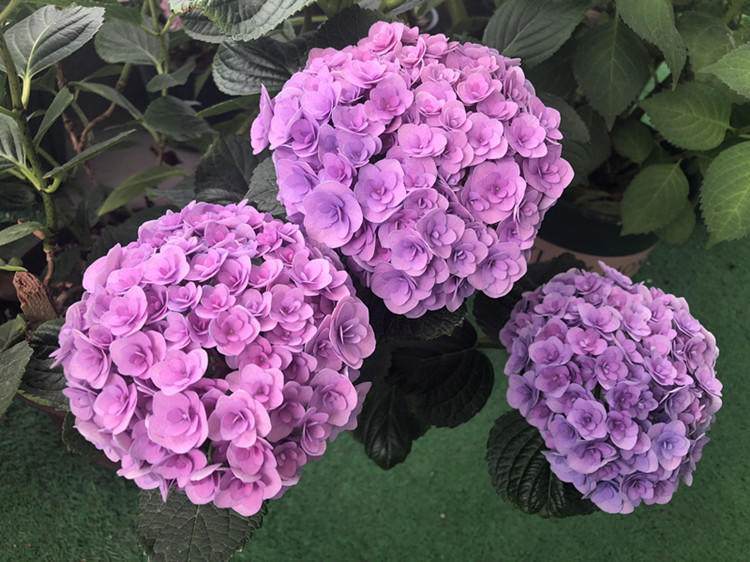
Hydrangeas bloom in clusters with beautiful forms, a flower with extremely changeable colors, ordinary but never mediocre. It is called ordinary because it is not a particularly precious or delicate flower. It is called not mediocre because no matter what kind of soil it is in, it can bloom with brilliant colors.
And June is the peak blooming season for hydrangeas. Give them 3 kinds of stimulants, and they will be like a child's face in June weather, changing color just like that.
Gardeners who have grown hydrangeas know that hydrangea is a natural indicator. When the soil pH differs, the flower color differs. When the soil is acidic, the flower color leans blue; when the soil is alkaline, the flower color leans pink. Therefore, when growing them at home, gardeners can feed hydrangeas a few things to make their color change just like that.
1. Iron nails
Gardeners, if you want hydrangea flowers to turn blue, you can bury a few rusty iron nails beside the plant. When the iron element slowly seeps into the soil and is absorbed by the hydrangea, its color will change.
2. Ferrous sulfate
When repotting, gardeners can mix in a small amount of ferrous sulfate to achieve the same effect. Generally, using ferrous sulfate together with a general-purpose organic nutrient solution for flowers gives a more ideal effect. The nutrient solution contains organic acids; water the hydrangea once a week with it. Ferrous sulfate can be mixed into the soil at a ratio of 1:3.
3. Rice washing water
A simpler method is that if gardeners want hydrangea flowers to turn pink, they can often pour fully decomposed rice washing water into a spray bottle with even output and water the hydrangea with it. The watering frequency is once every half month. It should be noted that when watering with rice washing water in summer, it must be fully fermented, otherwise it is easy to breed small flying insects.
Regarding the regulation of hydrangea color change, gardeners should also pay attention to the following issues:
First, conventional white-flowered hydrangea varieties are the most sensitive to soil acidity, and slight changes will be directly reflected in the flower color, with obvious color changes. Pink and red varieties will also change somewhat, but will not deviate too much from their original color.
Second, the process of regulating soil acidity and alkalinity is relatively slow and gradual. Gardeners must not rush or use excessive amounts. They should use it according to the instructions to avoid causing hydrangea plants to become sick or die.
Third, whether using rice washing water or ferrous sulfate, etc. to regulate hydrangeas, it can only regulate the flower color of hydrangeas and cannot supplement nutrients. Gardeners need to promptly water with a general-purpose liquid fertilizer for flowers according to the growth of the hydrangea, diluted 500 times, once a week, to provide sufficient nutrients for the growth of the hydrangea.
Image from gardener: Linhepan