The key to making goldfish plants bloom with big-bellied flowers, worth saving in advance
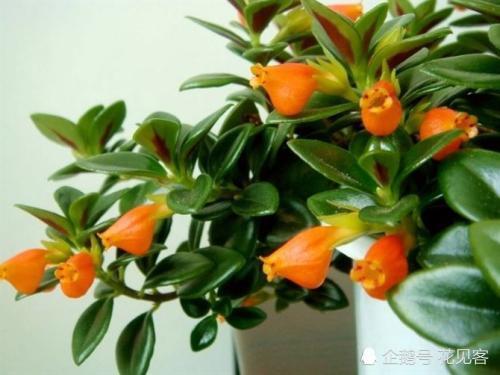
The goldfish plant is a favorite flower among many gardening enthusiasts. Its leaves stay emerald green all year round, and its flowers are orange-red, with a "big belly" and a small mouth, closely resembling a little goldfish swimming among the flowers, giving it very high ornamental value.
Some gardening enthusiasts complain that other people's goldfish plants have a "big belly," while their own goldfish plants are all shriveled up, which is quite frustrating. So how should you care for them properly? Let's take a look!
Actually, the main cause of this is neglecting one point: insufficient phosphorus fertilizer, which leads to fewer and smaller goldfish plant flowers. Many gardening enthusiasts, when fertilizing during the goldfish plant's blooming period, know to apply phosphorus and potassium fertilizer, so they use some decomposed fertilizer liquid, such as fermented rice water or cake fertilizer liquid, but these often do not contain enough phosphorus.
If the goldfish plant has already begun differentiating flower buds and forming buds, then just buy some comprehensive fertilizer with a higher proportion of specialized phosphorus fertilizer and apply it directly to the potting soil, letting the roots absorb it to promote bud formation, so the flowers' "bellies" grow bigger and more vivid.
For goldfish plants that have not yet differentiated flower buds, you can directly bury some bone meal into the potting soil, letting it absorb it slowly to prepare for bud formation and blooming.
Specific method: collect some bones, then put them in a pressure cooker and boil for about 1 hour. Separate the broth from the bones; the broth can be fermented into fertilizer liquid for watering flowers, and the bones, after drying, are crushed into powder and then dried in the sun.
Dig a shallow trench around the flower pot, then sprinkle a thin layer of bone meal, and cover it with soil. This bone meal is absorbed slowly by the roots, so it can be buried about once every two months.
During the blooming period, the air should maintain a certain humidity, which is more conducive to bud differentiation and flower bud growth. You can spray more water around to increase humidity, but avoid spraying water onto the leaves, as it easily causes leaf rot. In summer's high temperatures, water evaporates quickly, so you can place it in a shallow water basin to avoid dryness and failure to water in time, which would cause leaves to yellow and drop, affecting growth and blooming.
The goldfish plant grows and blooms better in a diffused light environment. Except in winter, when it can be placed outdoors in full sun, at other times it needs shade treatment. Build a shade frame for it with a light transmittance of 50%-70%, or place it in a south-facing balcony or similar spot, avoiding strong sunlight.
That's all for the care of the goldfish plant. If you have other tips to add, feel free to share them with everyone in the comments section below. To learn more about flower growing, you can follow Huajianke!