Lemon balm care has its tricks: lush green leaves and graceful, upright stems
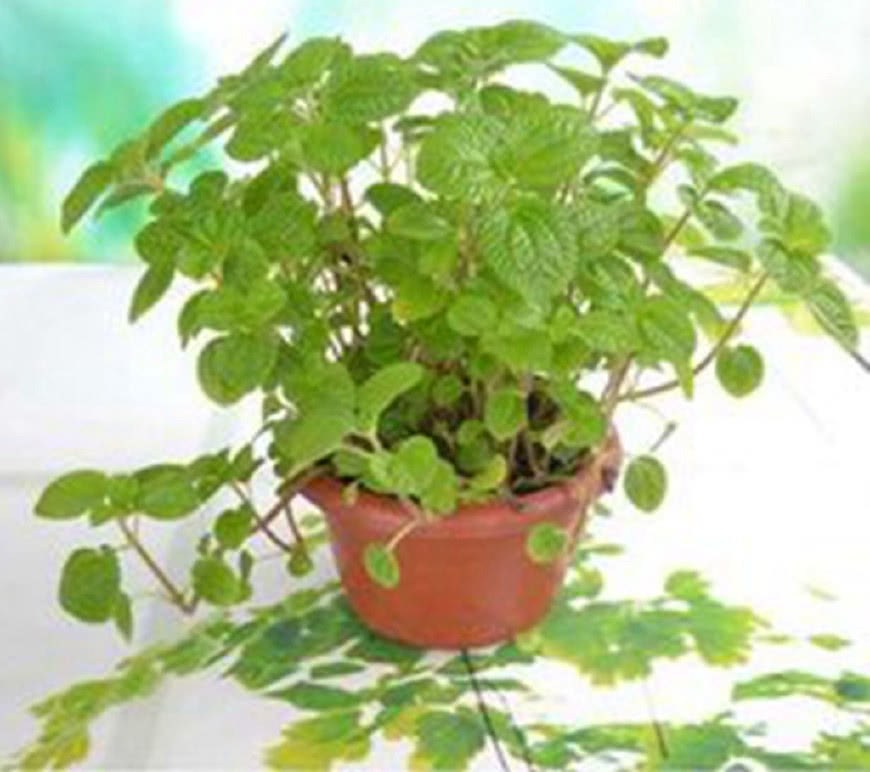
Lemon balm care tips: let me teach you a few tricks to guarantee lush green leaves and graceful, upright growth! If you don't believe it, let's take a look together!
Lemon balm has a fresh lemon-like fragrance and can relieve headaches, abdominal pain and toothache. It also helps treat bronchitis and digestive system diseases. The refreshing, sweet taste of lemon balm makes it suitable for drinking during colds and in sweaty summers; it can boost appetite and promote digestion, and is fine both before and after meals. Harvest fresh leaves before flowering for cooking. Tea made from the leaves aids digestion, relieves stress and has a calming effect, and can also ease chronic bronchial catarrh, colds with fever and headaches. It can also be used to absorb toxic and harmful gases from indoor air, such as: formaldehyde, radon, benzene gas, ammonia, sulfur dioxide, as well as smoke odors, strange odors and carbon dioxide. Placing it indoors, in a study, office or similar space also helps relieve stress, eliminate fatigue and give people moral encouragement. That is why many people like to grow a few pots at home! Read on.
Lemon balm likes a warm, humid growing environment, so in normal care pay attention to watering it appropriately. Generally, watering once or twice a week with clean water is enough. If the branches and leaves become wilted, water must be added immediately to restore growth. In hot summer weather, also spray some water appropriately on its leaves, which not only cleans the leaves but also helps them open their stomata, making the leaves greener and more ornamental. In addition, a nutrient solution can be applied at intervals to promote its growth. Apart from that, also pay attention to draining in good time to avoid root rot caused by long-term waterlogging. Read on.
Lemon balm care also requires plenty of light, so if it is kept indoors, it is best to place it at a ventilated window with light. In addition, lemon balm care also needs a suitable temperature; generally, the most suitable growing temperature is between 10-20°C. Lemon balm is not heat-tolerant, and growth is limited in summer at high temperatures above 30°C; lemon balm is also not cold-tolerant, and when the temperature drops below 0°C it will turn yellow and wither, so the indoor temperature in winter must stay above 5°C for it to overwinter safely. So in winter, be sure to move it indoors to a bright spot for warmth. Read on.
Lemon balm care also prefers loose soil, so during normal care you can mix plenty of pine branches and fallen leaves into the potting soil to make the soil loose, which benefits root growth and spreading. In addition, lemon balm care also requires applying some water and fertilizer appropriately; of course, you can also water it with a nutrient solution you mix yourself, for example: diluted rice-washing water or an ordinary plant nutrient solution will both do. Autumn management: after the autumn temperature turns cool, light can be increased appropriately and fertilizer applied sparingly. If you use the above methods for long-term care, I guarantee the lemon balm you grow will have lush green leaves and graceful, upright stems! So friends who like growing lemon balm, give it a try right away!
Welcome to like, comment and follow!