Always killing your succulents? It's most likely these 6 bad habits
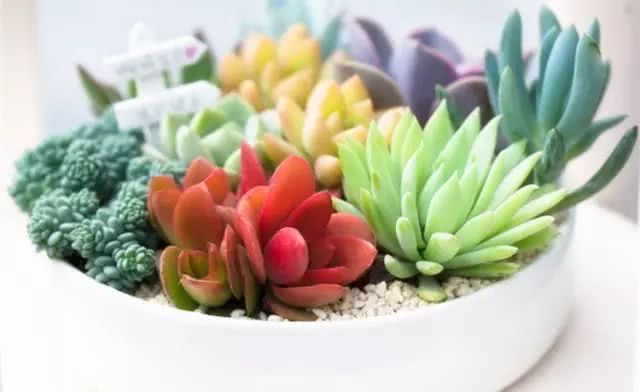
These days, succulents have become a favorite of many people. They are not only delicate and cute, with an endearing charm, but also highly adaptable and easy to care for.
But even so, many gardening enthusiasts still lament: even though they treat their succulents with great care and attention, and use the best soil and fertilizer, why do their plants still look declining, or have even died?
Actually, you may indeed treat your succulents very meticulously and appear like an expert on the surface, but in reality you may have made some mistakes that very easily lead to succulent death. Below, the editor will show you those little habits that easily kill succulents.
1. Choosing pots based only on appearance
When many people choose pots for their succulents, they pay no attention to whether the pot is practical. As soon as they see a pretty little pot, they buy it right away to pair with their succulents, hoping to better bring out their succulents' cute appeal.
However, although some pots look beautiful on the outside, they are not practical at all. Not only do they have no drainage holes at the bottom, but some also fail when it comes to material and size, let alone being suitable for succulent growth.
Suggestion:When buying pots, try to choose pots with holes at the bottom to increase air circulation around the roots. Also, pots should be chosen according to the size of the succulent. Being suitable is what matters most.
2. Always putting succulents in a corner
Many people always focus too much attention on watering and sunlight, thereby neglecting the issue of ventilation, so they always put succulents in corners that are not ventilated or poorly ventilated.
Actually, for succulents, ventilation is also a very important factor. Keeping ventilation smooth can not only prevent succulents from turning to mush, black rot and so on, but also help promote healthy growth.
Suggestion:Be sure to pay attention to the ventilation of succulents, especially in the hot and stuffy environment of summer, when this issue deserves even more attention.
3. Keeping succulents on the balcony all the time
Putting succulents on the balcony and giving them a sunny environment can indeed benefit their growth, and many succulent varieties only develop their best coloration and more brilliant colors after receiving sufficient sunlight.
But this does not mean that no matter what the weather is like, no matter what the temperature is, you should never change their position. This is not good for the healthy development and growth of succulents.
Suggestion:Different varieties have different levels of demand for sunlight. Even for the same variety, in different seasons and different growth cycles, the amount of sunlight needed is also very different. Moreover, in summer, most succulents enter a dormant period, and at this time attention should be paid to proper shading from the sun.
4. Watering only when you feel it is necessary
Many people think that because succulents originally lived in desert-like environments, they are naturally more afraid of water. Therefore, when watering succulents, they only sprinkle a little water on the surface, merely wetting the top layer of soil without watering thoroughly.
As a result, it is very easy for the water not to reach the roots of the succulent and instead accumulate only at the stem, which is very unfavorable for healthy growth and can easily lead to stem rot.
Suggestion:Although succulents are not water-loving plants, this does not mean their growth does not need water. If you do not know exactly how to water succulents, then wait until the leaves become slightly soft, and then water thoroughly.
5. Frequently applying organic fertilizer to succulents
Out of love for succulents, many people buy a lot of organic fertilizer online and then apply it to their succulents, thinking this is very beneficial to their growth.
But in fact, the vast majority of succulents do not need much fertilizer in their growing environment, because after years of evolution, succulent plants have already adapted to loose, nutrient-poor growing environments and can grow without much nutrition. Therefore, generally speaking, when caring for succulents, not fertilizing is the best choice.
Suggestion:If you feel your succulents really need fertilizer, then fertilizing about once every three months or so is enough. Do not apply organic fertilizer that is not fully decomposed, to avoid causing pests and diseases.
6. Lacking basic awareness of pest prevention
Many gardening enthusiasts do not pay attention to pest prevention, and even lack basic knowledge about the pests that threaten succulent growth. When they see some insects with pretty appearances, they even think about taking photos to remember them. By the time the pests have spread out of control, it is already too late to regret it.
Suggestion:Pay attention to pest prevention work, especially when the weather is warm, which is exactly the season when pests spread widely. You can regularly spray Huahuashen and similar products on the soil surface, which can help prevent pests.
If you also like growing flowers, then follow us!