How do you grow thyme? A few tips to make it bloom abundantly and look graceful and colorful
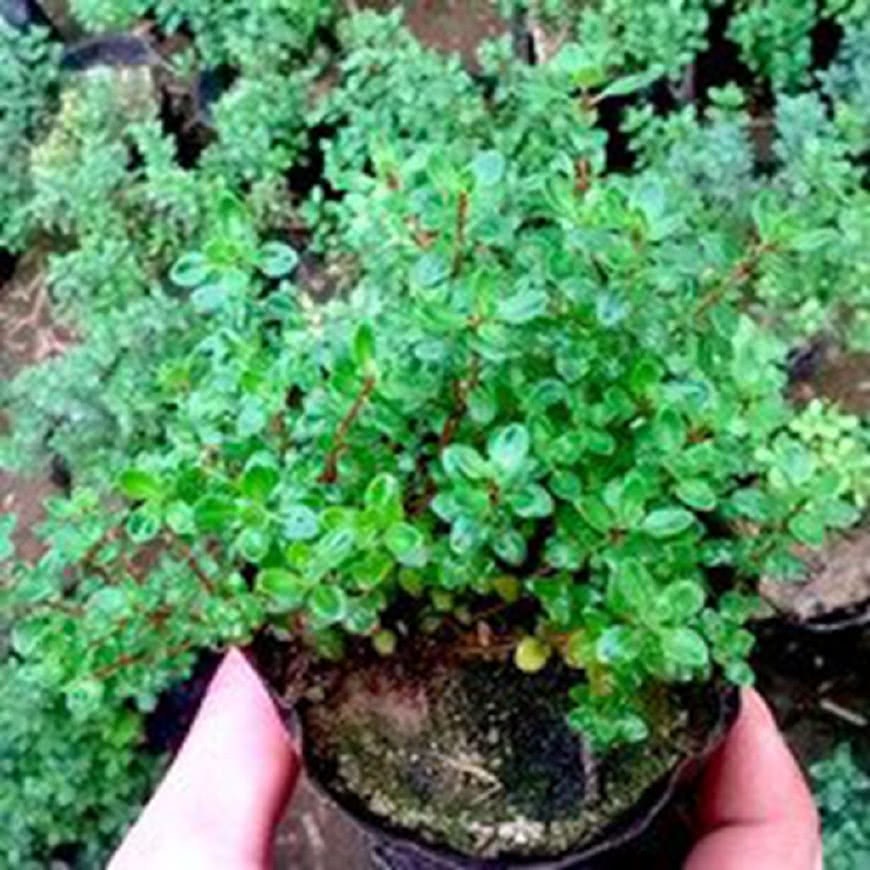
The right care techniques for thyme: a few tips to guarantee abundant blooms and a graceful, colorful look! Let's take a look together below!
The medicinal value of thyme has been widely recognized since ancient times, and in China its medicinal records can even be traced back to the Northern Song period. Today, thyme is used medicinally mainly to promote the flow of qi and relieve pain, ease colds and coughs, reduce headaches and toothaches, relieve indigestion and acute gastroenteritis and other conditions, and it can also effectively lower high blood pressure. In addition, thyme has extremely strong environmental adaptability: it is not only tolerant of poor soil, drought-resistant, cold-resistant and pest-resistant, but also has characteristics such as abundant blooming, a long flowering period, rapid growth, a rich fragrance, and the ability to purify the air, making it an excellent indoor ornamental plant as well. Many people like to keep a pot of it at home. Keep reading.
Like other plants, thyme cannot grow without the care of water, but it must not be overwatered either, otherwise a long-term waterlogged state will have many adverse effects on the growth of its roots; at the same time, it is also bad for maintaining good aeration of the growing medium. So when watering normally, pay great attention to controlling the amount of water and avoid keeping it in a constantly moist state. In addition, when watering normally, also pay attention to spraying some water on its leaves as appropriate, which can not only clean the dust off its leaves and ensure that the leaf stomata are not blocked, but also make the leaves more lush green and give them higher ornamental value! Keep reading.
Thyme care also requires attention to its growing temperature. Generally speaking, the most suitable temperature for its growth is between 20 and 25°C, and it should not be placed in direct sunlight. Thyme is fairly cold-resistant, but it is greatly affected by hot and humid climates, which can also inhibit the plant's normal growth and easily cause the plant to rot. So during normal care, try to avoid placing it in a high-temperature or high-humidity environment. In addition, thyme care cannot be separated from sunlight, so during its growing period, also move it outdoors appropriately to receive sunlight, ensuring it can carry out photosynthesis fully and grow more vigorously. Keep reading.
Thyme likes warmth and prefers light and a dry environment. It is not demanding about soil. Because its leaves are slightly succulent, its growth is easily affected by damp environments, so normal care must ensure the growing soil has good drainage. In addition, for the potting soil, peat soil is best used as the growing medium. Besides that, it is also necessary to add other drainage-friendly media making up about 20% of the potting soil. Secondly, during normal care, also pay attention to its growing environment. Generally speaking, for indoor care, it is best to place it at a shaded, ventilated window that faces the sun. Keep reading.
Thyme's growth also cannot do without the nourishment of fertilizer. So during normal care, also apply some fertilizer appropriately to support its growth. In addition, if peat soil is used for growing, you can add decomposed organic fertilizer at a concentration of 5% to 10%. When new shoots are developing, a liquid fertilizer diluted 1000 times can be applied as appropriate. In summer, when the plant enters a period of weak growth, fertilizing easily causes root rot and death, so the plant should be moved to a shaded spot for fertilizer-free cultivation. Only by doing all of the above can you guarantee that thyme blooms abundantly and looks graceful and colorful! Keep reading.
Thyme has a rich, fragrant aroma, and in daily life it is also used by people as a special seasoning spice. Whenever cooking seafood, meat, fish and other foods, adding a small amount of thyme powder can remove the fishy smell and make the dish even more delicious. In addition, putting thyme into pickles or salted vegetables as a food spice can also add a fresh, grassy aroma to the dish. Secondly, the content of carbohydrates, protein, vitamin C, and selenium, iron, calcium and zinc in thyme is all higher than in ordinary vegetables, so its edible nutritional value is also very high, and eating it regularly is beneficial and harmless to the body. Besides that, the honey of thyme also has a very high concentration and contains rich amino acids, which are greatly beneficial to the human body. So friends who like growing flowers, hurry up and keep a pot of thyme at home!
Welcome to like, comment and follow!