How to grow aloe vera? A few tips for you: green, plump leaves and every pot bursting at the seams
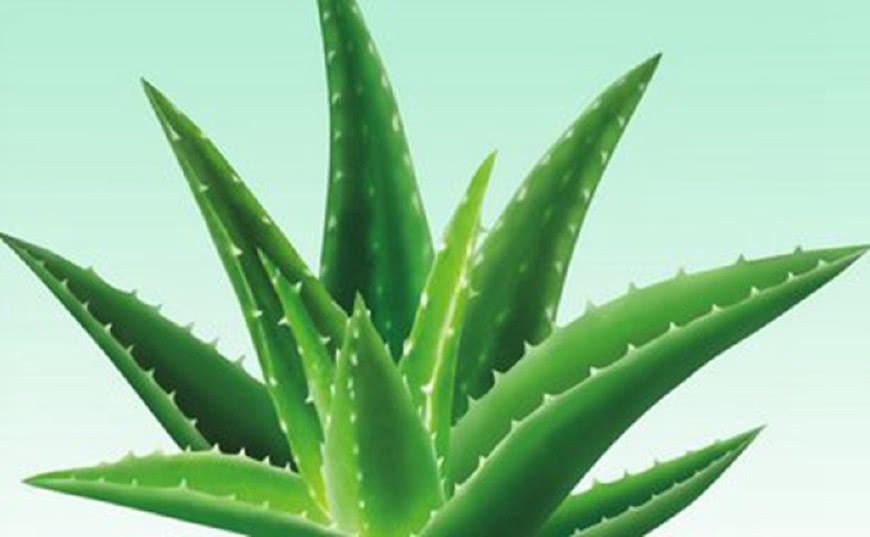
Aloe vera care tips: a few tricks for you to make sure it grows green and plump, with every pot bursting at the seams! Try it if you don't believe me! Let's take a look together below!
The polysaccharides and various vitamins in aloe vera have good nourishing, moisturizing and whitening effects on human skin. Cuilye aloe (Aloe vera) is the fresh aloe leaf most suitable for direct cosmetic use, namely Aloe vera (Curaçao aloe); it has astringent, softening, moisturizing, anti-inflammatory and whitening properties. It also helps relieve hardening and keratinization and improves scars. It can not only prevent fine wrinkles, eye bags and sagging skin, but also keep the skin moist and delicate. At the same time, it can also treat skin inflammation and has a good effect on acne, freckles, pimples, as well as burns, cuts and insect bites. It is equally effective for hair, keeping it moist and smooth and preventing hair loss. That is why many people like to grow it indoors. Keep reading below.
Aloe vera has a strong drought resistance; aloe removed from the soil can be stored dry for several months without dying. But during its growing period it also needs sufficient water, though it does not tolerate waterlogging. So in wet, rainy seasons or when drainage is poor, the leaves easily shrivel and the stems and roots rot, leading to death. In addition, aloe vera likes light and tolerates heat, but in summer when temperatures are high and rainfall is low, drought must also be prevented; water it appropriately so it grows more luxuriantly. When watering, also note that you must not overwater; generally watering once every 5-10 days is enough. In autumn, watering must be controlled; you can use the method of spraying water, and it does not matter even if the soil is rather dry, otherwise the roots easily rot. Keep reading below.
Aloe vera likes warmth and fears cold. Generally speaking, the most suitable growing environment temperature is 20-30 °C, and the best nighttime temperature is 14-17 °C. Below 10 °C it basically stops growing, and below 0 °C the leaf flesh of aloe vera freezes and all of it wilts and dies. So in winter it should be moved indoors for care, and attention should also be paid to keeping it warm. In addition, the growth of aloe vera cannot do without sunlight, so it should also be exposed to sunlight regularly. Never leave it in a dark environment for a long time, as this is very unfavorable to its growth. Of course, also be careful not to place it in direct sunlight, as this is also unfavorable to its growth. It is best to put it in a sheltered, sunny spot indoors. Only if all these are done can it safely get through the winter. Keep reading below.
Aloe vera cultivation also requires attention to the choice of soil. Aloe vera likes to grow in loose soil that drains well and does not easily compact. In ordinary soil you can mix in some gravel and ash residue; if you can add leaf mold and grass ash, even better. Soil with poor drainage and aeration will block root respiration, causing root rot and necrosis, but overly sandy soil often causes the loss of water and nutrients, making aloe vera grow poorly. So generally speaking, for growing aloe vera, it is best to use slightly acidic soil with good water permeability and aeration and high organic matter content, with a pH of 6.5-7.2; you can also use fertile, loose, well-drained sandy loam. Soil that is too wet and too sticky is not suitable for growing aloe vera. Keep reading below.
Aloe vera cultivation also requires attention to proper fertilizing. Generally speaking, to promote the growth of aloe vera, you can use fermented organic fertilizer, cake fertilizer, chicken manure, compost and worm castings to fertilize aloe vera. During the vigorous growth period, nutrients in the soil are continuously absorbed by the plant; if fertilizer is not applied in time, it will also affect the growth of aloe vera. Organic fertilizer generally has a slow effect, so you cannot wait until aloe vera growth has been affected before fertilizing, as by then it will be too late. Also note that you should not apply too much at one time, and be careful not to stain the leaves; if you accidentally stain them, rinse them promptly with clean water, otherwise the leaves are easily burned. Secondly, during the planting period, management should be strengthened; loosening the soil and weeding multiple times can promote soil aeration, accelerate the conversion of soil nutrients, promote well-developed roots, improve disease resistance, and achieve rapid, healthy growth. If you have done all of the above, I guarantee that the aloe vera you grow will have green, plump leaves and every pot will be bursting at the seams! Friends who like growing aloe vera, try it quickly!
Welcome to like, comment and follow!