6 gardening uses for coffee grounds: turn household waste into great fertilizer for your plants
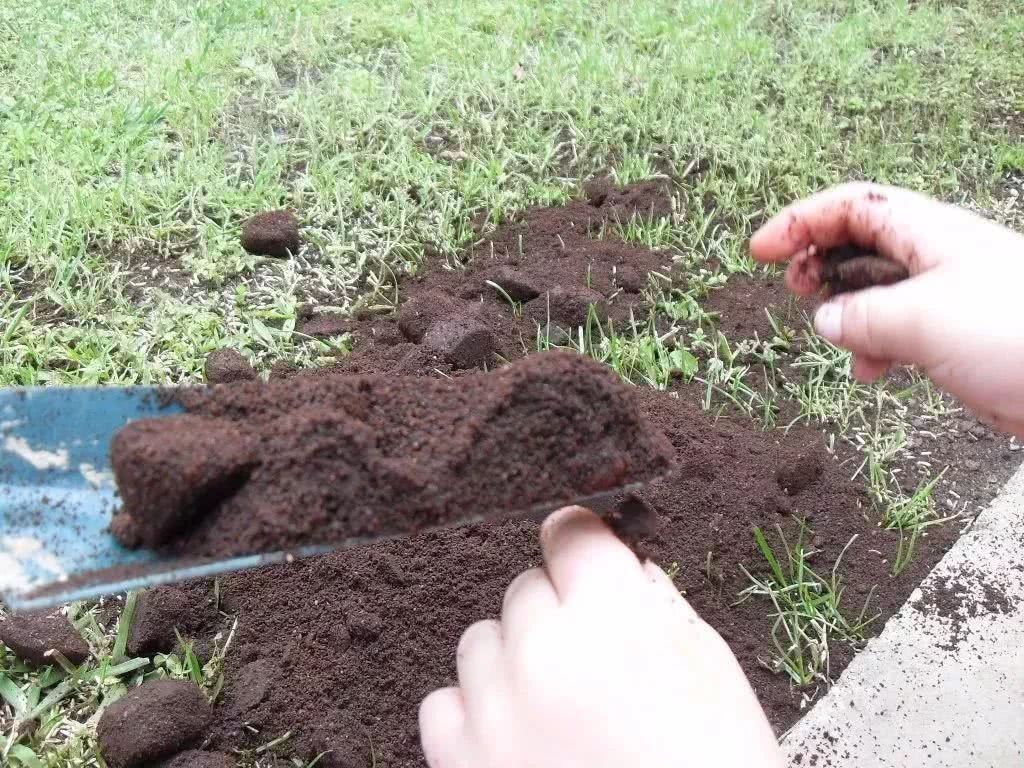
Coffee is not only a very common drink in daily life; the grounds left over from brewing coffee are great too. Coffee grounds can become excellent fertilizer, but most people just throw them straight into the trash. Coffee grounds are a great material for growing plants, able to improve the soil well and help promote flowering.
Coffee grounds are very beneficial as fertilizer. They contain no chemical ingredients, can do a great job of promoting plant flowering, and can also prevent pest and disease problems.
As long as they are used properly, coffee grounds can become a great material for growing plants. It is a very safe, natural and effective method that lets plants and flowers grow well without using harsh chemicals or pesticides, promotes flowering and fruiting, and can also keep slugs and snails away.
The benefits of using coffee grounds for growing plants
Once coffee grounds are decomposed and fermented, they can become excellent fertilizer. Using them to grow plants can maintain aeration, retain water, attract earthworms, and prevent the soil from caking.
1. Aeration
Coffee grounds are a very loose, airy material. They can help the soil form more air pockets, allowing oxygen, nutrients and water to reach the plant roots better through these small pores, so the plants grow stronger.
2. Water-holding capacity
In dry places it is very necessary to retain soil moisture. In places with long-term drought, even very drought-tolerant plants cannot get water and easily wither and die.
Coffee grounds can greatly improve the soil's ability to hold water, which helps promote good plant growth.
3. Drainage capacity
Coffee grounds have excellent drainage capacity. If the soil cakes, it easily causes poor drainage and water pooling around the roots, which leads to root rot and also easily triggers various fungal diseases. Good soil drainage lets the roots absorb enough water, and coffee grounds can do a great job of helping the soil improve its drainage capacity.
4. Attracting earthworms
Even if you really dislike earthworms and these little bugs, they are wonderful for garden plants. By loosening the soil, they bring in more oxygen and water, keep the surrounding soil loose, and also produce more organic matter. Their droppings can also become fertilizer that promotes plant growth.
Coffee grounds are just such a great organic material. They can improve soil composition and attract more earthworms.
5. Composting coffee grounds
Coffee grounds very easily become fertilizer. They can be put directly into a black plastic bag, add some clean water, and place it in a warm spot, and they will soon become decomposed compost.
Generally it takes 3 to 6 months to fully decompose and ferment. During this time, keep it warm and moist, and avoid the composting material drying out.
They can also be mixed directly into compost, and after about six months they will be fully decomposed and fermented.
Coffee grounds can also change the pH of the soil. Fully decomposed and fermented coffee grounds are slightly acidic or neutral, so adding them to the soil will not raise the soil's pH.
6. Keeping pests away
Using coffee grounds in the garden can also keep pests away. You can sprinkle a ring of coffee grounds around the plants, so slugs and snails will not dare come near; they really hate coffee grounds. It can also prevent cats and rabbits from disturbing the plants.