Try these tips for caring for globe amaranth, and bring a garden full of spring colors back to your home
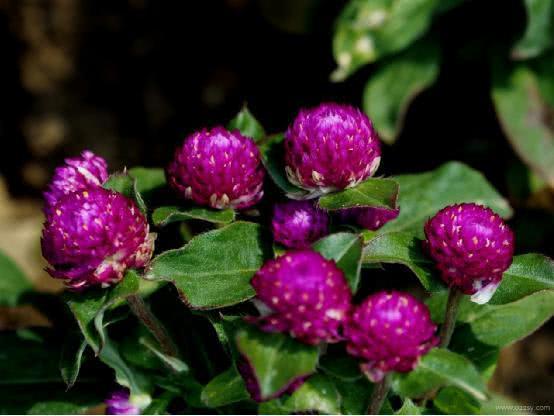
Globe amaranth (also known as bachelor's button) is a very familiar ornamental flower. It not only has high ornamental value and can be brewed as tea, but its flower language also carries the beautiful meaning of eternal love. It is a favorite of many gardening enthusiasts. Most importantly, its flowering period is especially long, lasting almost from midsummer to early winter. Just imagine how wonderful it is for such a gorgeous plant to provide us with long-term visual enjoyment! So how exactly should globe amaranth be grown, and are there some special little tricks? Let's take a look together below.
Is globe amaranth easy to grow? The answer is actually yes! Because in terms of habits, it does not have very high requirements for the overall environment. It likes sunlight, tolerates drought and heat, and as long as you pay a little attention during its growth and replenish fertilizer in time, you can surely grow a beautiful pot of globe amaranth. First, in terms of soil, globe amaranth does not have high soil requirements; it only needs to ensure breathability and drainage. Here we recommend sandy soil, and it is best to add some base fertilizer to the bottom of the pot at the beginning of planting.
The mention above of "tolerates dryness and drought" shows that we actually do not need to spend too much effort on watering. Generally speaking, even in summer when high temperatures persist for a long time, we only need to wait until the potting soil of the globe amaranth is completely dry and then water it thoroughly once. Just keep the soil and surrounding environment moist. Special attention should be paid to ensuring timely removal of accumulated water in the pot during the plum rain weather that may occur in the south, to prevent waterlogging.
Globe amaranth likes light, and during growth it especially needs sufficient sunlight. There is a piece of data showing that if you want it to bloom more vividly, then before the flowering period arrives, it is best to give it at least 4 hours of sun exposure every day. Of course, the timing of the "sunbath" also matters. When the harshest sun appears in the afternoon of midsummer, we can temporarily avoid it, while other times can all be used for sun exposure. If it does not get enough light, globe amaranth is likely to grow relatively slowly, and the flower color will also become much duller.
After the seedlings enter the rapid growth stage, an important operation for globe amaranth to burst into a full pot of blooms is pruning. When the seedling height is 15 cm, you can pinch the growing tip once, with the purpose of promoting branching. After that, you can decide whether to do a second pinching according to the growth situation. During shaping and pruning, attention should be paid to rounding and shaping the plant, so that the globe amaranth has higher ornamental value. After the plant takes shape, pinching the branches can effectively control the flowering period.
As for pests and diseases, globe amaranth is prone to damping-off disease at the seedling stage. For prevention and control, 5-6 days before sowing, you can treat the seedbed with a 1500-fold dilution of Likuoning. During growth, it may also be attacked by aphids and red spider mites. For these two pests, in addition to using insecticides, we can also use diluted solutions of pungent foods (ginger, garlic, chili) to water the flowers to complete the pest control work, and the effect is also acceptable.