What to Do When a Ponytail Palm's Caudex Rots? One Simple Trick to Save It
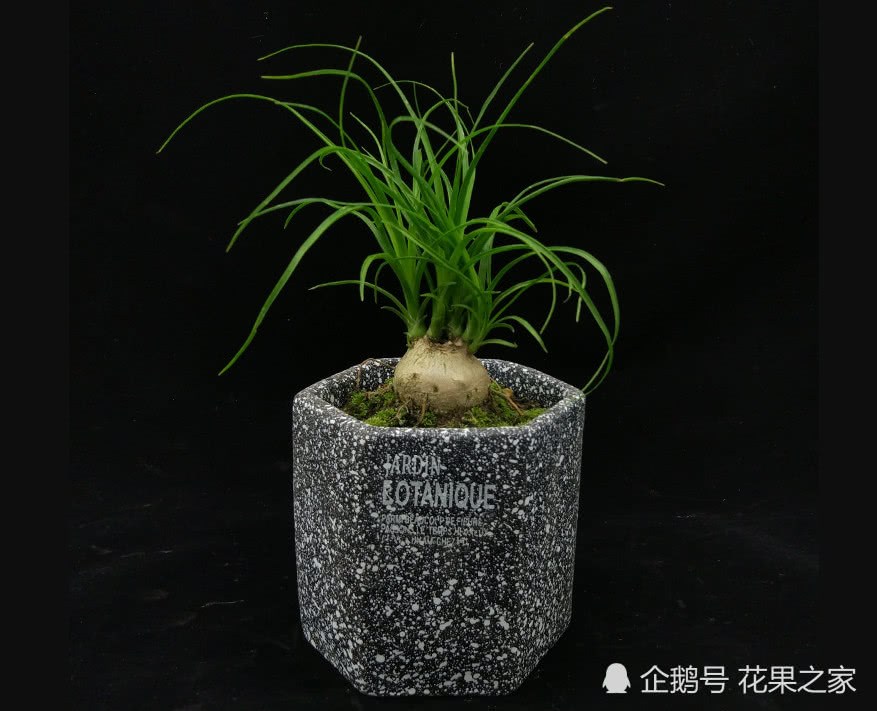
The causes of root rot in ponytail palms are none other than watering, fertilizing, disease, and so on. When root rot appears, many flower lovers find it a real headache. So how should we handle this situation?
Ponytail Palm
Treatment for mild caudex rot in ponytail palms:If a ponytail palm shows small patches of mild root rot, you should promptly use a knife to cut away the rotten parts, then apply some plant ash to the wound, or buy some aspirin powder from a pharmacy (for the specific benefits of aspirin for plants, follow the editor or search Baidu - there are so many benefits). Before the ponytail palm's wound has healed, it must not be exposed to rain, and when watering, avoid pouring water on the wound. The wound should recover and heal in about a month.
Ponytail Palm
Treatment for severe caudex rot in ponytail palms:First, look at the extent of the ponytail palm's root rot. If it still looks hard and robust overall, then there is not much of a problem. Also promptly use a knife to cut away the rotten parts, and apply some plant ash to the wound, or buy some aspirin powder from a pharmacy. If it is relatively severe but can still be saved, cut off the rotten parts, wash the roots clean, apply some plant ash or aspirin powder to the wound, let it dry in a cool, shaded place for three to five days, then soak it in rooting powder, and replant it back in the pot. It is best to replace the original potting soil with fresh soil.
Ponytail Palm
Thank you for reading this article. For more practical knowledge about growing orchids, please follow the editor. Your support is the greatest encouragement to the editor!