What to Do When Gardenia Only Grows Flower Buds but Won't Bloom
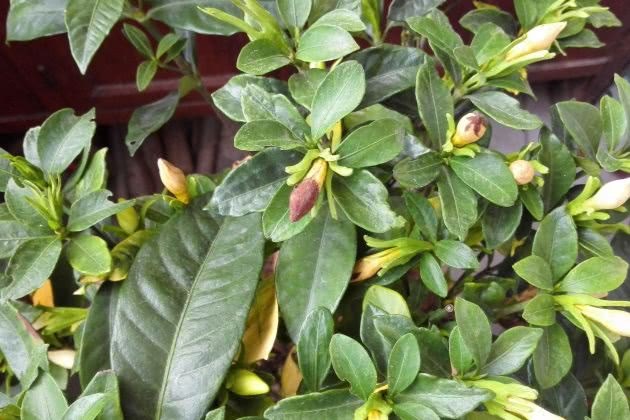
Gardenia is one of the more popular plants among the many green plants. When it blooms, its fragrance is light and elegant, and the delicate scent that wafts over makes people feel refreshed and invigorated. Keeping a pot at home can serve as a very good decoration.
Although quite a lot of flower lovers like growing gardenia, it is also one of the green plants that many flower lovers fail to grow well. Many gardenias look like they are about to bloom, but by the time the flowering period has passed, all you see is the flower buds withering one after another, without ever seeing the flowers open. Today Huar Gu will talk with everyone about the reasons why gardenia only grows flower buds but won't bloom, as well as the strategies for dealing with it.
When gardenia won't bloom, we first need to confirm whether the gardenia is in its flowering period. If the flowering period has not yet arrived, then blooming is naturally impossible. If the flowering period has arrived and it has grown flower buds but they are slow to open, and some buds have even begun to wither, then we need to find out the reasons and solutions. The more common reasons that lead to only growing flower buds but not blooming include lack of phosphorus and potassium fertilizer, insufficient light, water problems, alkaline soil, and leggy growth.
1. Lack of phosphorus and potassium fertilizer
A lack of phosphorus and potassium fertilizer will lead to fewer flowers, and will also cause the grown flower buds to be unable to open. So we need to supplement it with some phosphorus and potassium fertilizer before the flowering period. Because our country is vast in territory, with a large span from north to south, the flowering time varies from place to place. The more common gardenia flowering period is around March to July. Everyone must choose the appropriate timing for fertilizing according to local conditions.
2. Insufficient light
Although gardenia is relatively shade-tolerant, it also quite likes light, so we cannot grow it in a dark place, otherwise over time it will lead to leggy growth and failure to bloom. Insufficient light will lead to a lack of photosynthesis, which in turn causes the necessary nutrients for blooming to be unable to be produced. Conversely, we cannot grow potted gardenia in an open-air place in summer, as this will lead to excessive light causing scorching of flower buds and leaves and other such phenomena. Light problems are one of the common reasons for gardenia flower drop.
3. Water problems
Gardenia that has reached its flowering period has relatively strict requirements for water. We cannot water too much, nor can we water too little. Otherwise, both will cause failure to grow flowers due to water issues. We need to water strictly according to the principle of "water when dry, stop when wet."
4. Alkaline soil
Alkaline soil causing gardenia flower buds to be unable to open is more common in the north. At this time we need to use some fertilizers such as monopotassium phosphate to acidify the soil, so that the gardenia can grow better and the flower buds can open into flowers. Normally we can also collect some rainwater to water the gardenia, which can raise the acidity of the soil and prevent the soil from becoming alkaline.
5. Leggy growth problems
Failure to prune gardenia at the appropriate time causes its branches and leaves to grow wildly, leading to insufficient nutrients, which in turn causes the flower buds to fail to grow into flowers. So we need to carry out necessary pruning, cutting off some dead branches, diseased leaves, and leggy branches, which can preserve more nutrients to promote blooming.
The above is what Huar Gu introduces to you about the reasons why gardenia only grows flower buds but won't bloom, as well as the solutions. As long as everyone learns and sums up these experiences, generally you won't encounter too many problems when growing gardenia. For example, it can play a very good role in watering, promoting flowering, and preventing leggy growth.