Growing potted aloe at home has many benefits, and these care tips all need attention
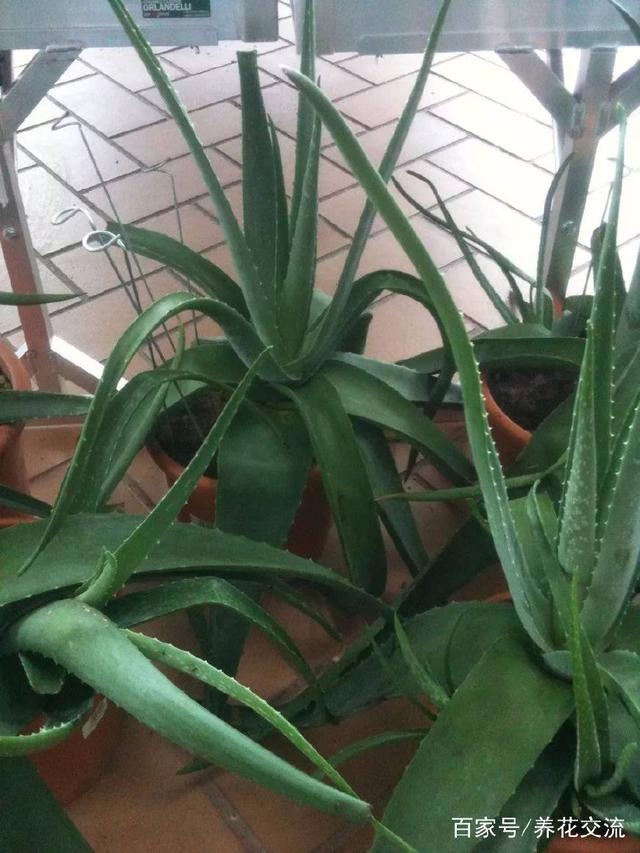
Aloe is a wonderful succulent to look at, it is also very easy to care for, has been proven to have good medicinal effects, is often used in cosmetics, and makes a great decorative plant at home. Aloe can treat minor burns or scalds, and has no side effects, unless the skin is prone to allergies.
Propagating aloe is also very simple. It is generally grown by division. During growth, aloe constantly produces small offsets, and once the offsets grow to more than 5-7 cm, they can be used for cuttings to propagate.
Aloe is helpful to human health to a certain extent. It has good antioxidant effects, and some edible aloe varieties can also help boost immunity, such as the most common Aloe vera (Curacao aloe).
Aloe, this natural herbal plant, can also eliminate fatigue, prevent the skin from becoming excessively dry, has good moisturizing effects, and can nourish the skin. Aloe can also be used to treat sunburned skin, prevent insect bites or allergic reactions, and can treat minor burns or inflammation.
To care for aloe, be sure to use loose, well-draining sandy soil, and avoid yellow clay soil that clumps easily or drains poorly. Aloe is very afraid of waterlogging and likes the soil to stay dry year-round.
Right after repotting aloe, be sure not to rush to water it. Wait three to five days before watering appropriately. Do not be afraid that the aloe will dry out. If you water it thoroughly right after planting, the aloe will have a harder time recovering. Wait until the aloe's soil is dry before watering again, so the aloe can grow better.
For newly planted aloe, do not expose it to strong sun at first. You can keep it in a ventilated spot with bright light, then after 5-7 days gradually let it receive light. This way the aloe can recover and grow well.
The most important thing in caring for aloe is to avoid frequent watering, give it appropriate light, and keep the minimum care temperature above 5°C. With this, you have what it takes to grow aloe very well.
The best soil for growing aloe is a 2:1 mix of peat moss and perlite. You can appropriately add some river sand, or you can also use leaf mold mixed with river sand.
For aloe, aside from providing appropriate shade when summer temperatures are too high, you can give it as much light as possible in other seasons. Do not be afraid that the aloe will get sunburned. If the light is too strong, the aloe's leaves will turn red. At that point, simply move it to a slightly shaded spot and care for it for a while, and the leaves will return to a lush green state.
If you want indoor aloe to bloom, be sure to maintain sufficient light every day, keep the growing environment ventilated, keep the soil dry year-round, avoid frequent watering, and water thoroughly only when the soil has dried out completely.
In winter, once the temperature drops below 10°C, move the aloe indoors to care for it, and avoid placing it directly against the glass, otherwise it can also suffer cold damage.