In the hot and stuffy summer months, roses easily attract pests. Sprinkle a handful of this little thing to drive the pests away.
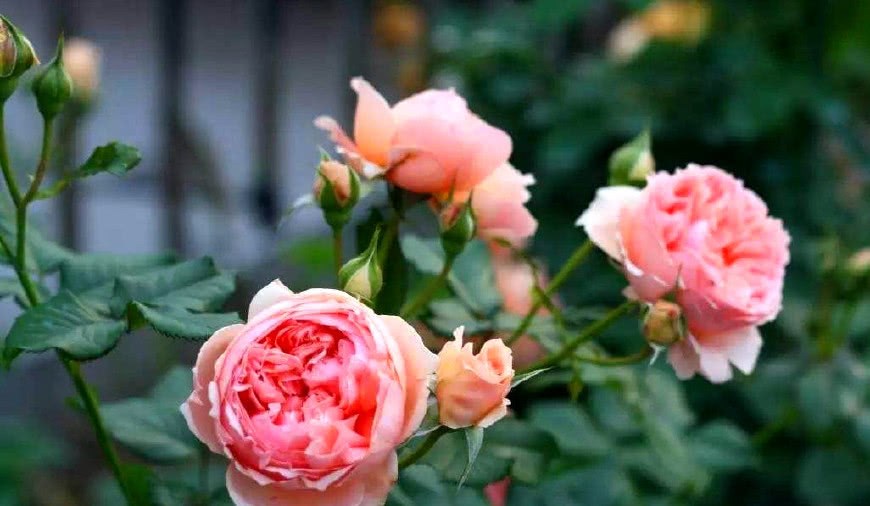
Summer is here. Rain is frequent, temperatures are high, and it gets more and more stuffy. Some flowers have a hard time getting through the summer, and many insects have come back to life. Especially for potted plants, when the weather is stuffy and hot, roses easily attract pests. Sprinkle a handful of this little thing, and mosquitoes and insects will be driven far away, and the flowers will grow really vigorously!
Mosquito coil ash
Mosquito coils are a summer essential. Their mosquito-repelling and insect-killing effects are very good. When there are many mosquitoes and insects, you always light a coil at night. The leftover mosquito coil ash also contains a certain level of toxicity and can likewise kill pests on flowers.
So, when potting or repotting flowers, mix a small amount of mosquito coil ash into the soil. It can kill bacteria and insect eggs, reduce the chance of root rot in flowers, inhibit the growth of small flying insects, and no longer pollute the environment.
If red spider mites and aphids appear, you can also put a plastic bag over the potted plant and burn a mosquito coil inside. It can fumigate red spider mites, aphids and small flying insects to death. The method is simple and easy to use. Friends who have pests on their flowers at home, give it a try!
Ginkgo leaves
Since ancient times there has been a saying that ants do not climb ginkgo trees, which shows that ginkgo trees have a certain toxicity, and ginkgo leaves do too. So in autumn and winter, you can pick up some fallen ginkgo leaves, fully compost and ferment them, and mix them into flower soil. Not only does it make the flower soil drain well and have good permeability, it can also kill insect eggs and bacteria in the flower soil, reduce the growth of small flying insects, and avoid polluting the environment.