An experienced gardener waters snake plants this way: 10 years without root rot or yellow leaves, and plenty of side shoots
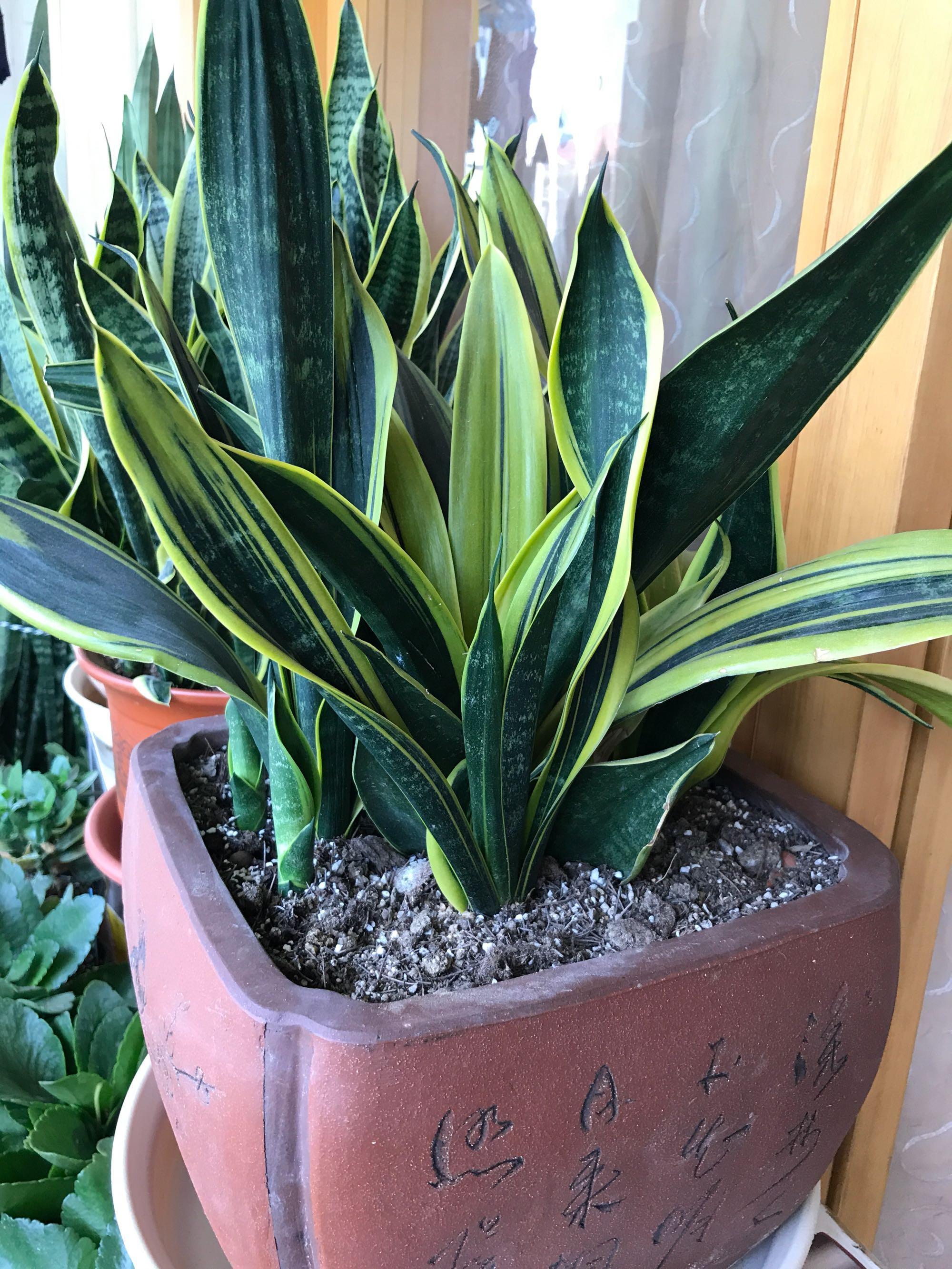
Snake plants (Sansevieria) are highly adaptable to their environment and have long been a favorite among plant lovers as indoor greenery. Although everyone says snake plants are easy to grow, many people still fail to grow them well. The biggest reason is poor watering control, leading to root rot, yellow leaves, and dull leaf color. These problems are common, so what can be done? A gardener with 10 years of experience says watering is actually not difficult. Master 3 points, and you won't have to worry about root rot for 10 years. Side shoots will pop out like crazy and even burst the pot.
For beginners, watering is the hardest part. The most common way snake plants die is from overwatering. Many people like to ask how often to water, but everyone's environment and soil mix are different. Copying someone else's watering method may not suit you, so it's best to adapt to your own conditions.
When watering, it's best to dig into the edge of the potting soil to see if it's dry. Water only when it's dry. But judging by eye alone can sometimes be inaccurate. Some plant lovers wait until the soil is completely dry before they notice, and by then the snake plant is at risk of underwatering. To be safe, we can also use a plant moisture meter, insert it into the soil, and check the data to know the moisture level. This way, watering is safer, and there will be no root rot for 10 years.
Watering is also closely related to temperature. Freezing to death is the second most common way snake plants die. Generally speaking, when the temperature is above 30°C, you should increase watering frequency because water evaporates quickly at this time. We can use a moisture meter to check every 7 days, water when dry, try to water in the evening, and be careful to avoid direct sunlight.
Between 20-30°C is the temperature snake plants love most. We can water every 7-10 days, and extend by 5 more days for deep pots. Of course, it's best to use a moisture meter to check. At this time, snake plants grow fastest. When watering, you can fertilize at the same time, such as with rice water. For those who don't have time to ferment it, you can also use a general-purpose organic nutrient solution. The effect is just as good, and it can also improve soil compaction. This way, snake plants will grow rapidly, with thick, green, and sturdy leaves, and will produce lots of pups.
When the temperature is between 10-20°C, the watering frequency can be similar to the above, but the amount of water should be reduced to about 1/3. Below 10°C, snake plants are mostly in a dormant state, so watering and fertilizing can be stopped. Below 5°C, most snake plants cannot tolerate this low temperature and will mostly freeze to death, so keeping them warm is very important.
Snake plants like warm and humid environments, so many plant lovers often use a spray bottle to mist them. However, after a while, the leaves will develop patches of necrosis or white spots. Why is this? It's usually caused by too much misting and poor ventilation. Plant lovers also call it damp disease. So misting isn't forbidden, but it should be done in moderation and with good ventilation.
Watering takes three years to master, and you still need to slowly figure out the method that suits you. If you have any other good methods to make snake plants grow into a full pot, you're welcome to share them~